WHAT CAN I EXPECT FROM MY CONSULTATION AT CONSORTIUM CHARTERED PHYSIOTHERAPISTS

The primary aim of the initial appointment is to take time to listen to your story in detail, perform a relevant physical examination and lay out a clear plan with details of the strategies we can put in place to help you.

If you have a complex complaint with a long history or attend with multiple issues, then during the first session we may only be able to establish the plan and provide initial advice. If this is the case then it is likely you will need to book a follow up appointment in order to begin working on the things that we have recommended. The majority of cases are more straight forwards than this and the clinician will have time to get started on implementing some of the strategies that we recommend.  A follow up appointment is not always required.

How long will my appointment last?

All initial appointments for private pay patients are approximately 60 minutes. Follow up appointments are 45 minutes.

*Please note that for women’s specialist pelvic health physiotherapy (including obstetrics and gynaecology) initial appointments are approximately 60 minutes and follow ups are 30 minutes. 

Time frames for appointments when funded by insurance policies are variable and often shorter depending on your specific provider.

Sports massage appointments are either 30 or 45 minutes depending on patient choice at time of booking.

How much does it cost?

Physiotherapy

Appointment fees vary depending upon the level of experience your physiotherapist has and details of this are provided below.  For staff biographies please click here.

Tom Nozedar, Shafeeq Younus & Bart Klimek: £55.00 for initial appointment and £45.00 for follow ups.

Abi Davies : £65.00 for initial appointment and £55.00 for follow ups.  

Graham Morgan & Niall Carter, Consultant MSK Physiotherapists and Spinal Specialists:  £80.00 for initial appointments and £70.00 for follow ups. Niall is currently accepting insurance referrals from Bupa/Axa. Graham does not offer insurance funding. We can provide detailed receipts to support patients claiming back on their insurance policies.

Home Visits

We offer a home visit service for rehabilitation across the region. Our standard fees for visits local to our clinic are as follows:

Initial assessment with one of our consultant physiotherapists £110.00 for 45 minutes. Follow up rehabilitation sessions with one of our senior rehab therapists £80.00 for a session lasting up to 45 minutes. Visits to locations outside of our area will include additional costs for travel and time. If you are wanting to book a home visit then please make enquiry and we can discuss suitability and confirm pricing. Our home visits consist of an initial assessment from one of our physiotherapists followed by treatment sessions with our senior rehabilitation therapist.

Level 3 Sports Massage:

£35.00 for all 30 minute appointments. £45.00 for 45 min sessions. Please be clear at time of booking how long you require.

Current clinicians: Bart Klimek, Qualified HCPC Physiotherapist, Qualified Sports Rehabilitator & Physiotherapist

Shafeeq Younus, Qualified HCPC Physiotherapist, Qualified Sports Rehabilitator & Physiotherapist

 Cancellation charges

We do not to take deposits from patients when booking appointments and do not routinely charge cancellation fees. However, if you miss an appointment and would like to pay for our clinician’s time then please do let them or the admin team know. As a small business, we do ask that if you need cancel your appointment you give us a much notice as possible, ideally at least 48hrs. This allows us to refill slots and maximize our clinician’s availability.

Are there any extra costs?

There are no extra or hidden costs associated with your consultation. If we need to write brief letters to your GP or employer with recommendations, then this is included within your appointment fee. For any substantial report writing there is an additional charge.

You may be prescribed exercise and rehab strategies that require the use of resistance bands or heat/ice packs.  We do stock these and it is possible to buy them at the clinic on the day of your appointment if you wish.  Alternatively your clinician will happily advise on where you can purchase them independently.

How can I pay

We accept cash and card payments (excluding American Express) including Apple and Samsung pay. 

Covid-19

For details of our covid-19 response please click here.

 contacting us

Please note that out phone line is a voicemail only service and you will not always be able to reach us or obtain directions during clinic hours. If you need to contact us at short notice please use email where possible as we are able to provide a quicker response.

We look forward to welcoming you to Consortium Chartered Physiotherapists. Please feel free to contact us if you’d like any further information: enquiries@consortiumphysio.co.uk


Cingal : Knee Injection for Rapid and Long Lasting Relief

What is a Cingal® injection?

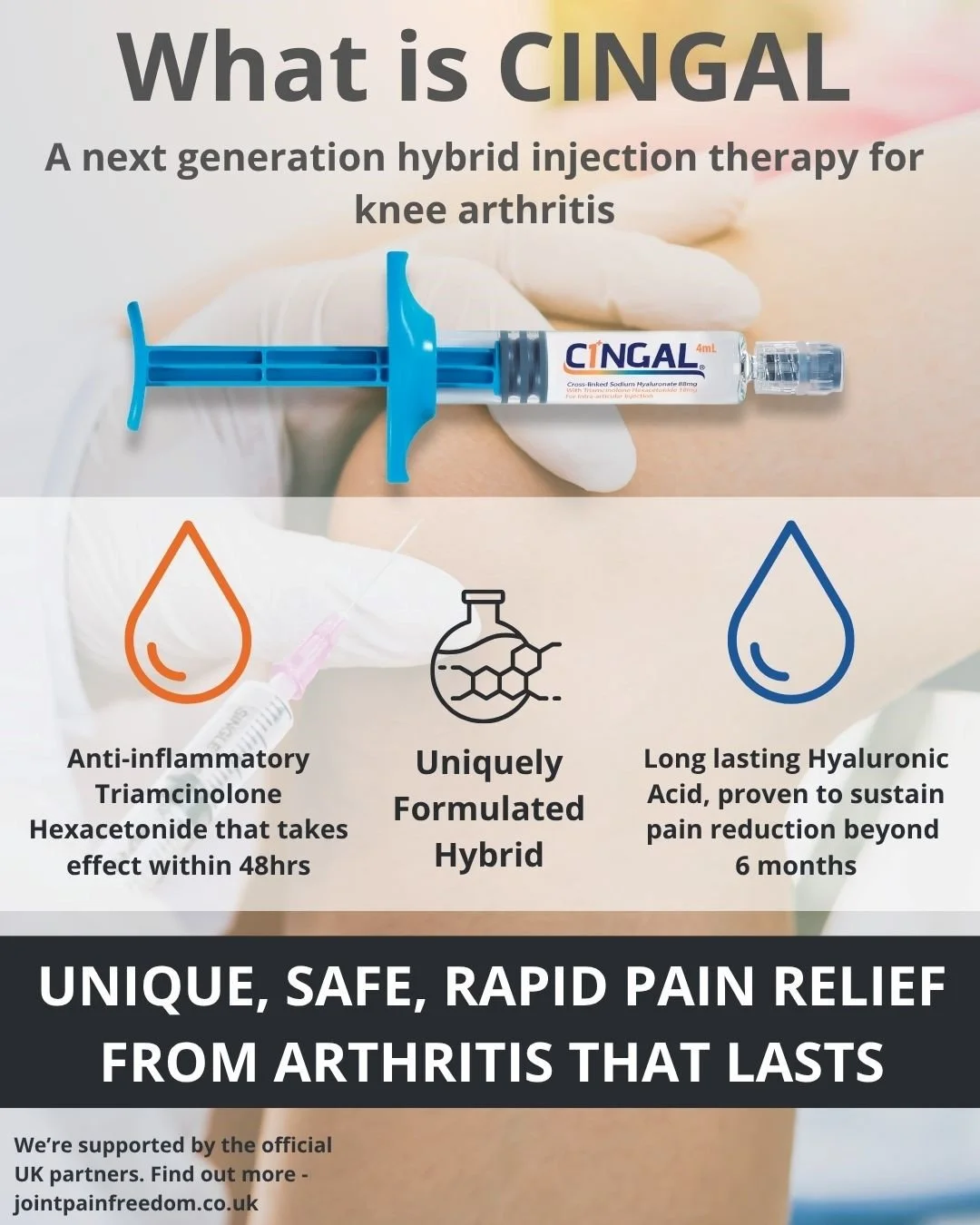
Cingal is a single-injection treatment proven to safely and effectively treat the pain, swelling and inflamation associated with knee osteoarthritis. It combines two well-established treatments in a single injection, providing the benefits of both an approved corticosteroid and a high concentration of hyaluronic acid formulation.

The corticosteroid reduces inflammation in the knee joint, providing rapid pain relief within days of injection, while the hyaluronic acid component works in parallel to deliver long lasting pain relief.

How does it work?

A knee joint affected by osteoarthritis typically has lower concentrations of hyaluronic acid in the synovial fluid, the thick liquid that helps cushion and lubricate the knee. As a result, the synovial fluid in an osteoarthritic knee has lower viscosity and elasticity than healthy synovial fluid, decreasing its ability to lubricate the joint and absorb shocks.

Cingal is designed to supplement the reduced amount of natural HA in synovial fluid in osteoarthritic knee joints. The formulation of Cingal allows for long-term relief of the symptoms of OA through lubrication and mechanical support from the viscosupplement component, enhanced by short-term pain relief provided by the steroid element.

Who could benefit from Cingal?

Cingal® is suitable for patients who have mild to moderate osteoarthritis (OA) and where treatments such as lifestyle changes or pain medications are no longer proving effective in managing their pain.

It can help patients who are looking for quick results, want to remain active, prefer a single visit treatment, or are looking to delay reconstructive knee surgery.

How long can it take to work?

The steroid element of the injection can provide short term pain relief within in a few days. Some patients do feel relief almost immediately but most will take between one and 5 weeks for the effects of the viscosupplement to gradually build up.

Effects can last for upto 6 months or more.

Can I have more than one injection?

Yes, patients often get relief for 6 months or more but you can return for a repeat injection when symptoms return.


Are there any side effects or risks?

Cingal® has undergone a lot of research and safety testing. There are small risks of knee joint pain, rash and swelling. As it is an injection there is the possibly of some pain afterwards around the injection site and a very small risk of an infection. This is extremely rare as we only inject in strict sterile conditions.


Is Cingal® evidence based?

There are a number of studies that support the safe use of cingal for sustained pain relief in knee osteoarthritis. We have pasted some links below to a number of studies within the evidence base.

https://clinicaltrials.gov/study/NCT01891396

https://pubmed.ncbi.nlm.nih.gov/16625636/

https://pubmed.ncbi.nlm.nih.gov/15703953/

Our Team


 Graham Morgan, CONSULTANT PHYSIOTHERAPIST, BSc Physiotherapy, MSc Musculoskeletal Medicine, INDEPENDENt physiotherapist PRESCRIBER, INJECTION THERAPIST, MCSP, HCPC registered

Graham has been working as a Clinical Lead Musculoskeletal Physiotherapist for over a decade now, he is the Clinical Lead for our clinic and acts as a mentor for the majority of the team. He has studied to gain an additional masters degree in Musculoskeletal Medicine alongside his previous physiotherapy degree. His main specialty is management of complex spinal conditions and he continues to work full time in his advanced clinical practice role with the spinal surgeons in the local NHS trust. Graham is a Clinical Lead for the region in management of back pain. Part of his role within the clinic involves planning and implementing high level combined physical and cognitive therapies programs for people with persistent spinal pain, he is trained in cognitive functional therapy. Graham treats patients with longstanding lower back pain with or without leg symptoms, neck pain with or without arm symptoms, post operative spines and patients who may have developed neurological deficits. He is experienced at interpreting spinal imaging as well as recognising when imaging may be required to assist care. Graham is also an independent prescriber and an experienced injection therapist and is used to administering steroid and hyaluronic acid such as synvisc and ostenil to help patients manage chronic conditions.

Niall carter, CONSULTANT PHYSIOTHERAPIST, BSc physiotherapy, msc advanced physiotherapy, independent physiotherapist PRESCRIBER, INJECTION THERAPIST, MCSP, HCPC registered

Nial is one of the most qualified and experienced Physiotherapists in the region. We are very lucky to have him as part of our team. When he is not working at Consortium as one of our Clinical Lead therapists he holds the same role as Graham working as an advanced clinical practicioner in the management of complex spinal conditions within the local spinal surgical team. Nial is also a Clinical Lead within our NHS region in the management of persistent back pain. Part of his role within the clinic involves planning and implementing high level combined physical and cognitive therapies programs for people with persistent spinal pain. Alongside this, he is vastly experienced in managing a wide variety of other musculoskeletal complaints. In addition to his two degrees in Physiotherapy he also an independent physiotherapist prescriber aswell as an injection therapist.

Abi Davies, CLINICAL LEAD MSK PHYSIOTHERAPIST, Bsc Physiotherapy, INJECTION THERAPIST, MCSP, HCPC registered

Abi has been working as a Clinical Lead Musculoskeletal Physiotherapist for a number of years now. When she is not working at Consortium she is one of the senior staff in the local hospital MSK physiotherapy department while she also works in the local emergency department assessing and managing patients with acute MSK conditions. She has gained extensive post graduate training in all aspects of MSK physiotherapy including Injection Therapy. She also has a special interest in treating spinal pathology, especially patients with chronic lower back pain. Abi is also an Ossur brace fitter where she frequently fit patients with the Unloader One brace to help with knee osteoarthritis.

Tom Nozedar, SENIOR MSK PHYSIOTHERAPIST, MSC physiotherapy, bsc sports rehabilitation, mcsp hcpC registered

Tom is an experienced senior Musculoskeletal Physiotherapist. He works as a Senior MSK Physiotherapist within the MSK department at the local hospital. Tom is an asset to our team, and can offer our patients a wide range of skills having initially graduated as a Sports Rehabilitator before returning to study and gain his Masters degree in Physiotherapy.

ShAFEEQ younus, SENIOR MSK PHYSIOTHERAPIST BSc Physiotherapy BSc, bsc SPORTS REHABILITATION, LEVEL 3 IN SPORTS MASSAGE THERAPY, hcpc registered

Shafeeq has a BSc degree in both Physiotherapy from Sheffield Hallum University and also a full degree in Sports Rehabilitation.

Aswell as seeing patients for Physiotherapy, Shafeeq also sees lots of patients for soft tissue work and he is often in high demand. His training and experience leaves him really well placed for any advice on pain, injuries and rehabilitation.

Shafeeq is a really valued member of our team having been with us throughout his training period on the Physiotherapy degree.

bart klimek, SENIOR MSK PHYSIOTHERAPIST, BSc Physiotherapy, bsc sports rehabilitation, level 3 in sports massage therapY, HCPC REGISTERED

Bart has a BSc degree in both Physiotherapy from Sheffield Hallum University and also a full degree in Sports Rehabilitation.

He is an experienced soft tissue therapist having graduated in Sports Rehabilitation a number of years ago from Hull University before then going on to become a fully qualified MSK Physiotherapist. Alongside his work at Consortium, he also works as an MSK Physio for the local East Yorkshire NHS MSK Physiotherapy team.

His sports rehabilitation experience as well as his physiotherapy degree leave him in strong position to manage a wide variety of MSK patients whether it be for soft tissue work/massage, or management of a variety of MSK complaints and sports injuries.

debbie robinson : senior rehabilitation therapist, associate member of the chartered society of physiotherapists

Debbie has been working as a Rehabilitaton Therapist for over 25 years. For the last 13 years she has been carrying out community home visits as part of the local NHS Physiotherapy and Occupational Therapy team. Her vast experience in orthopaedic rehab, care of the elderly and with amputees makes her a valuable member of our team who can offer these services to patients in their own home or care facility as required.

jessica barton : senior rehabilitation therapist, associate member of the chartered society of physiotherapists

Jess works with Debbie as part of our home visits rehab team. When she is not at Consortium she works for the local NHS services in a similar role helping patients to smoothly transition from the hospital back to their home. Jess has experience of working in this role now for many years. Her skillset is designed to provide physiotherapy and rehab in the community for those that are not able to attend the clinic.

MASSAGE TEAM:

bart klimek BSc Physiotherapy, bsc sports rehabilitation, level 3 in sports massage therapY, HCPC REGISTERED

Bart has a BSc degree in both Physiotherapy from Sheffield Hallum University and also a full degree in Sports Rehabilitation.

He is an experienced soft tissue therapist having graduated in Sports Rehabilitation a number of years ago from Hull University before then going on to become a fully qualified MSK Physiotherapist. Alongside his work at Consortium, he also works as an MSK Physio for the local East Yorkshire NHS MSK Physiotherapy team.

His sports rehabilitation experience as well as his physiotherapy degree leave him in strong position to manage a wide variety of MSK patients whether it be for soft tissue work/massage, or management of a variety of MSK complaints and sports injuries.

To find out more about the Consortium Sports Massage service please use this link. 

STEROID INJECTIONS AT CONSORTIUM CHARTERED PHYSIOTHERAPISTS

STEROID INJECTIONS AT CONSORTIUM CHARTERED PHYSIOTHERAPISTS

Everything you need to know about having a steroid injection with Consortium Chartered Physiotherapists in Hull and East Yorkshire. Our specialist level clinicians inject a variety of conditions. Read more…

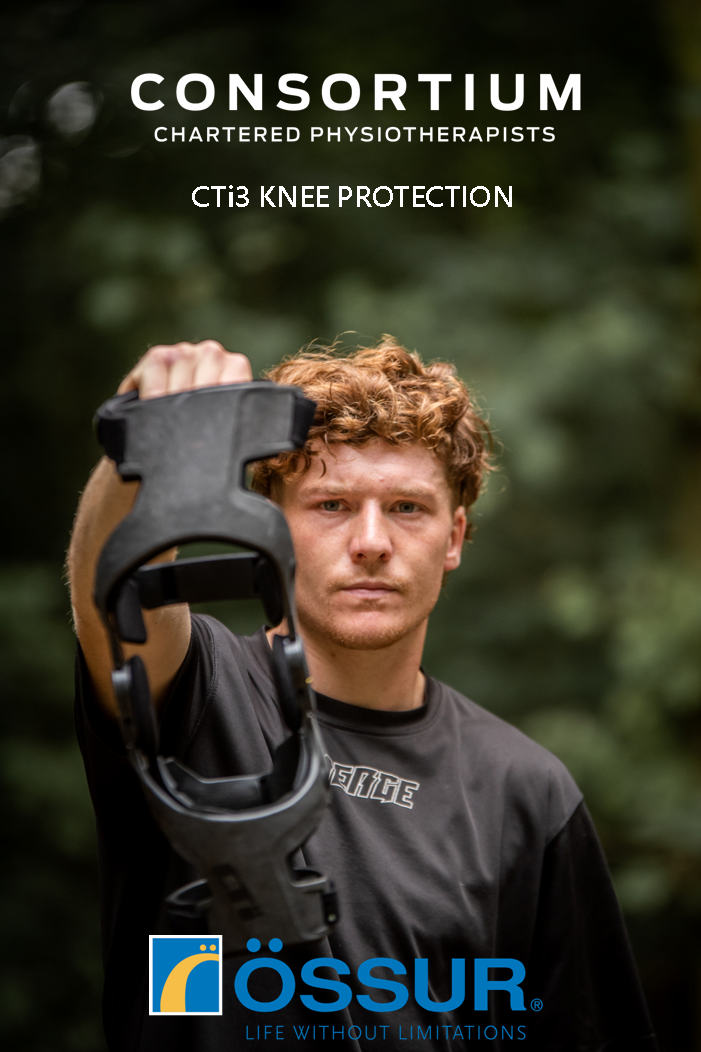
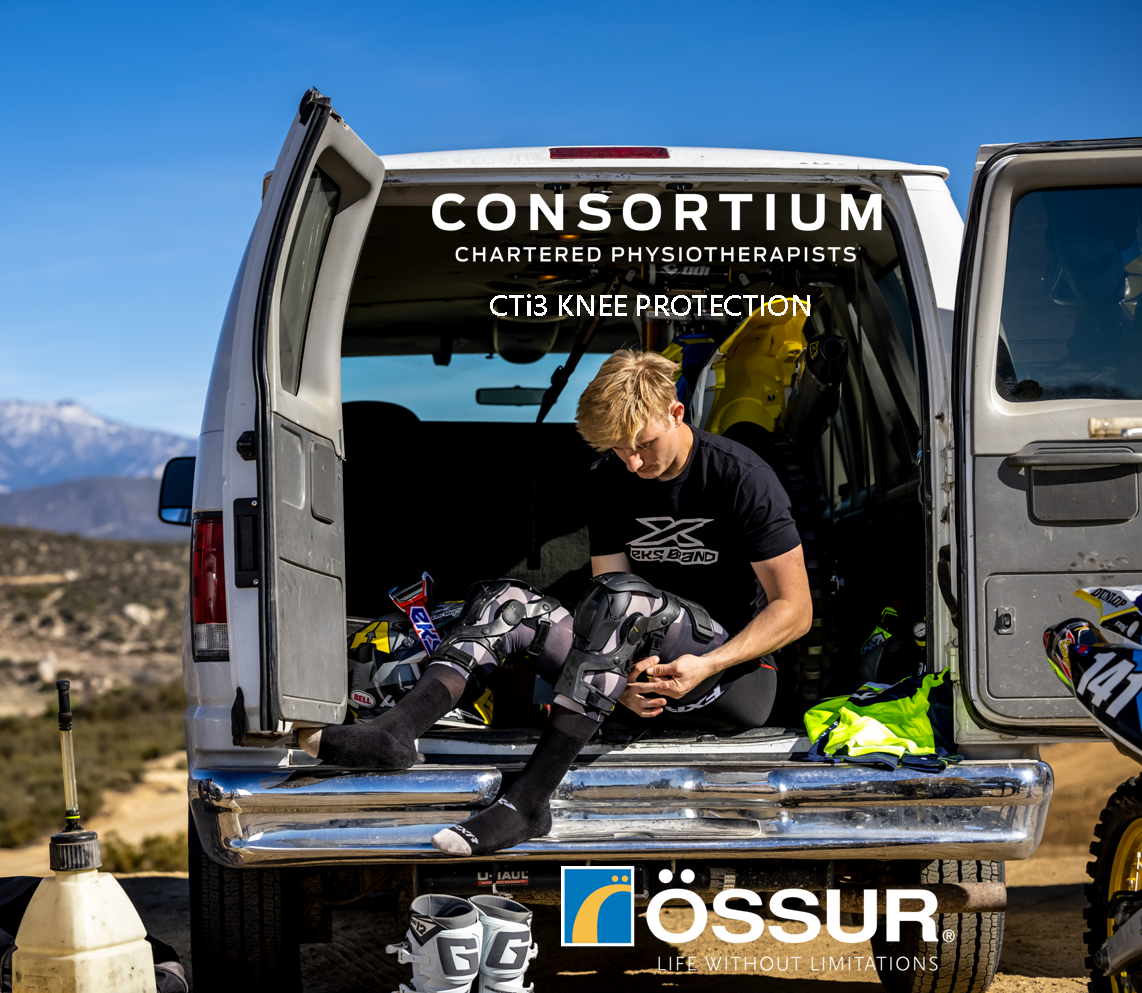
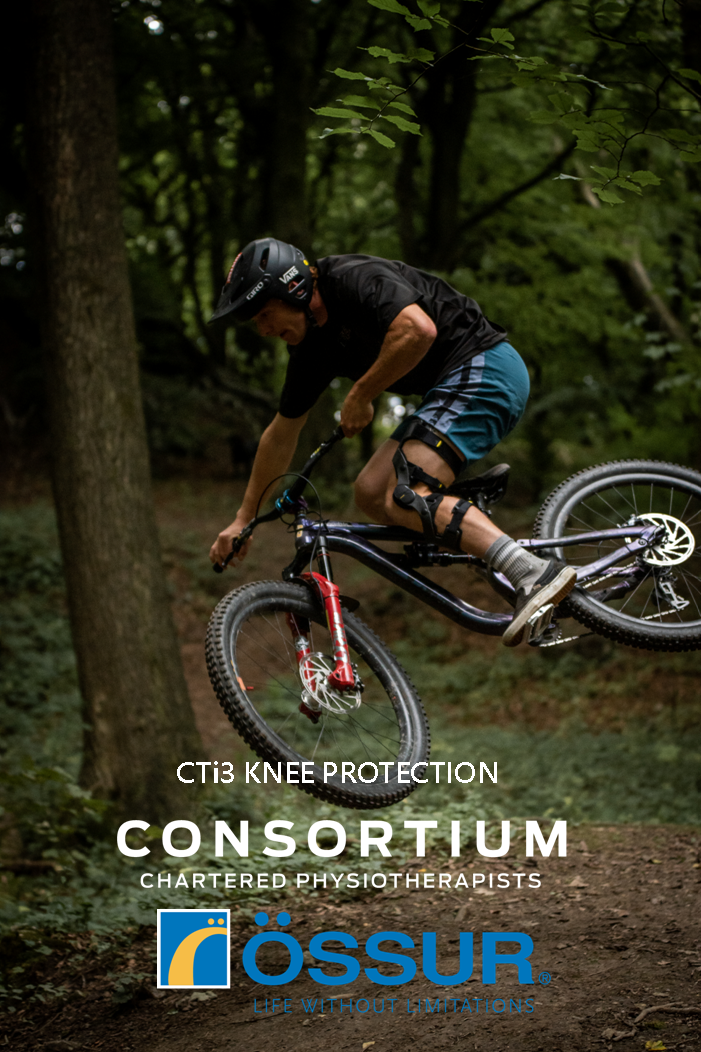
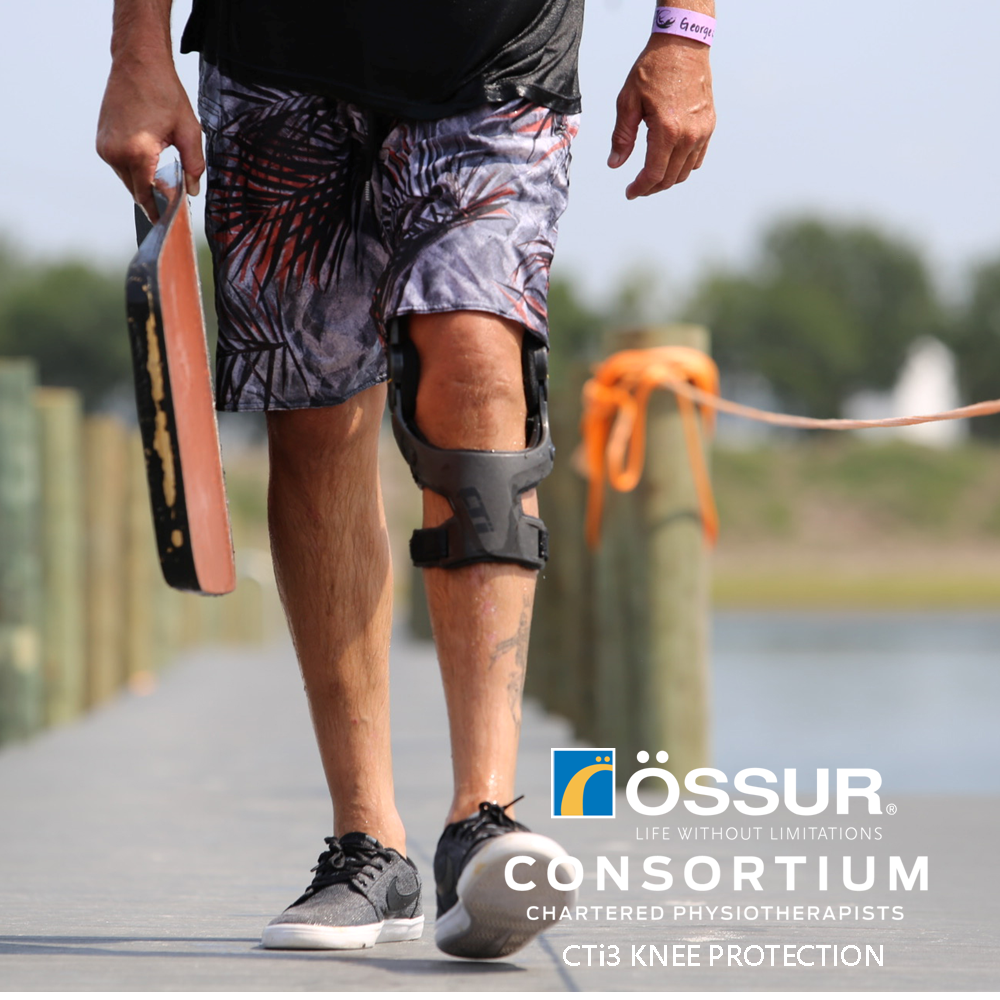
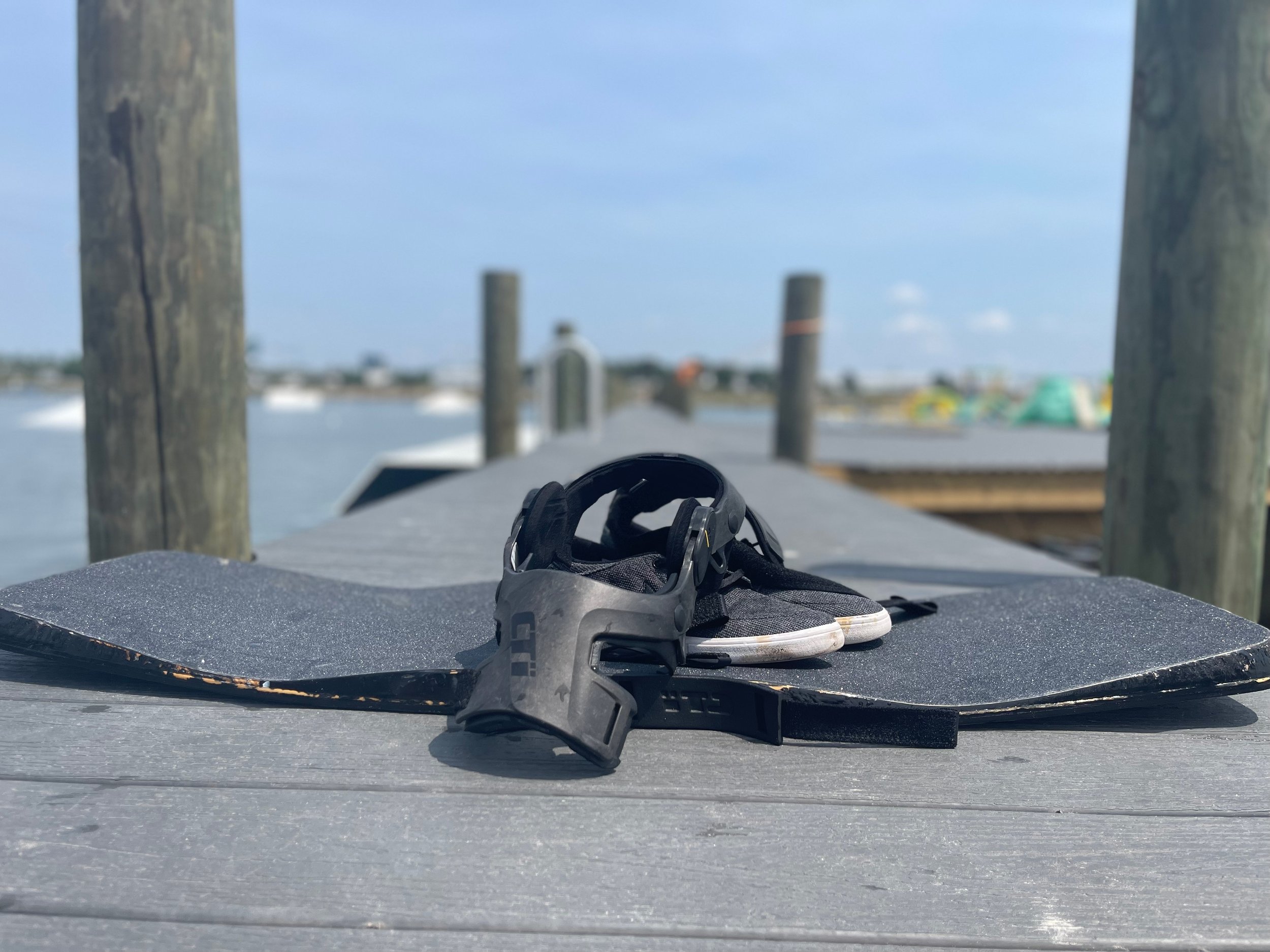
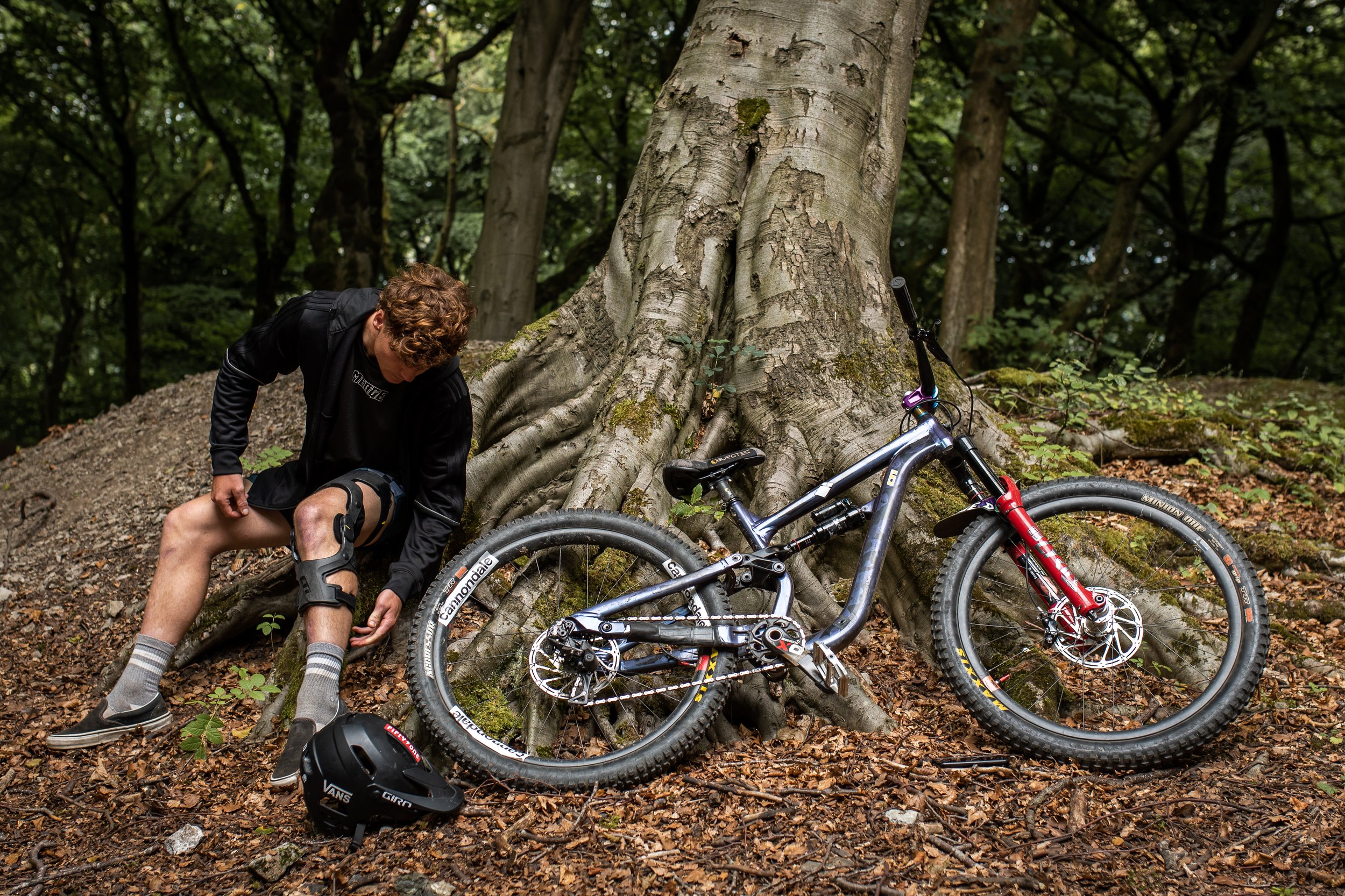
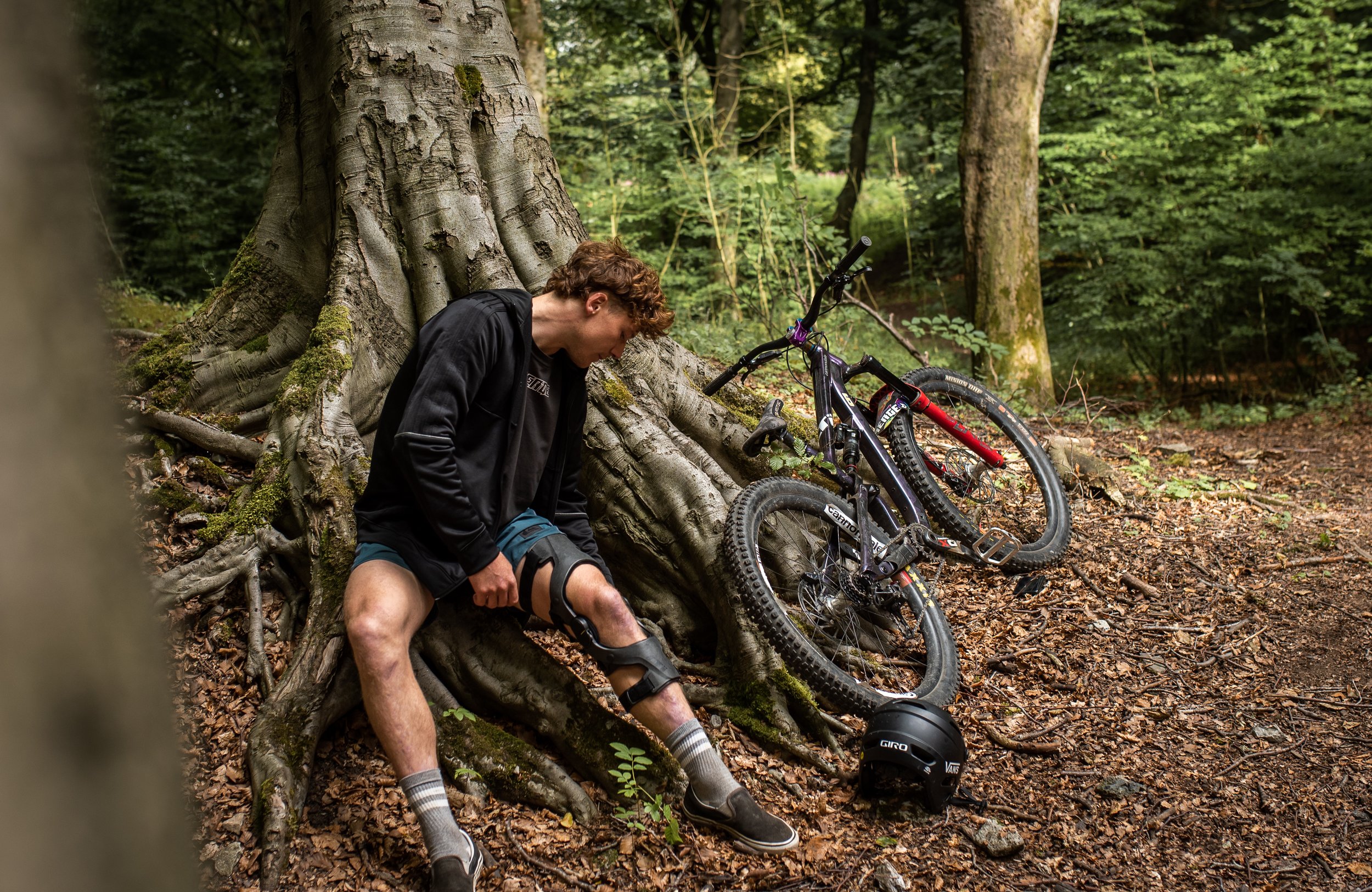
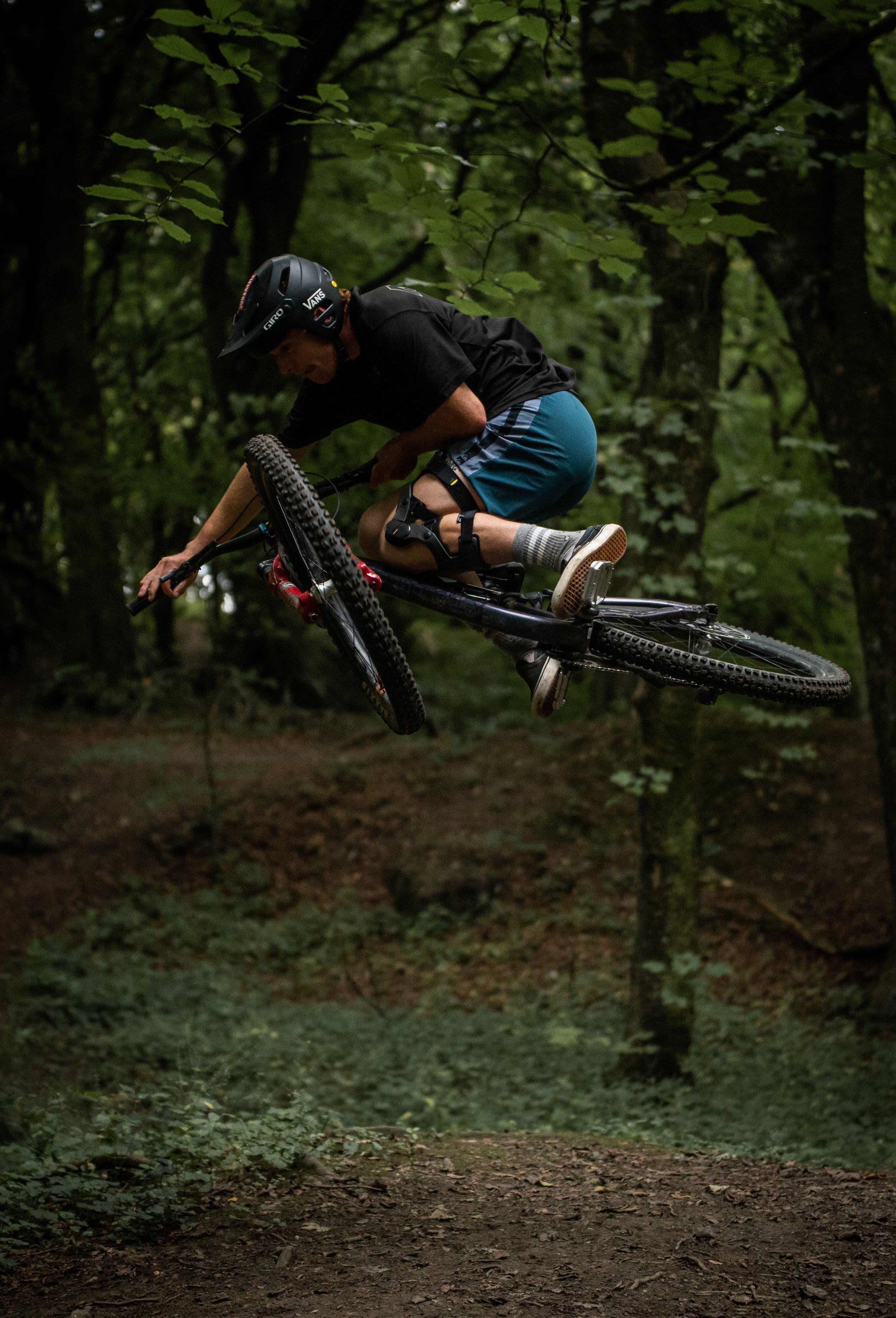
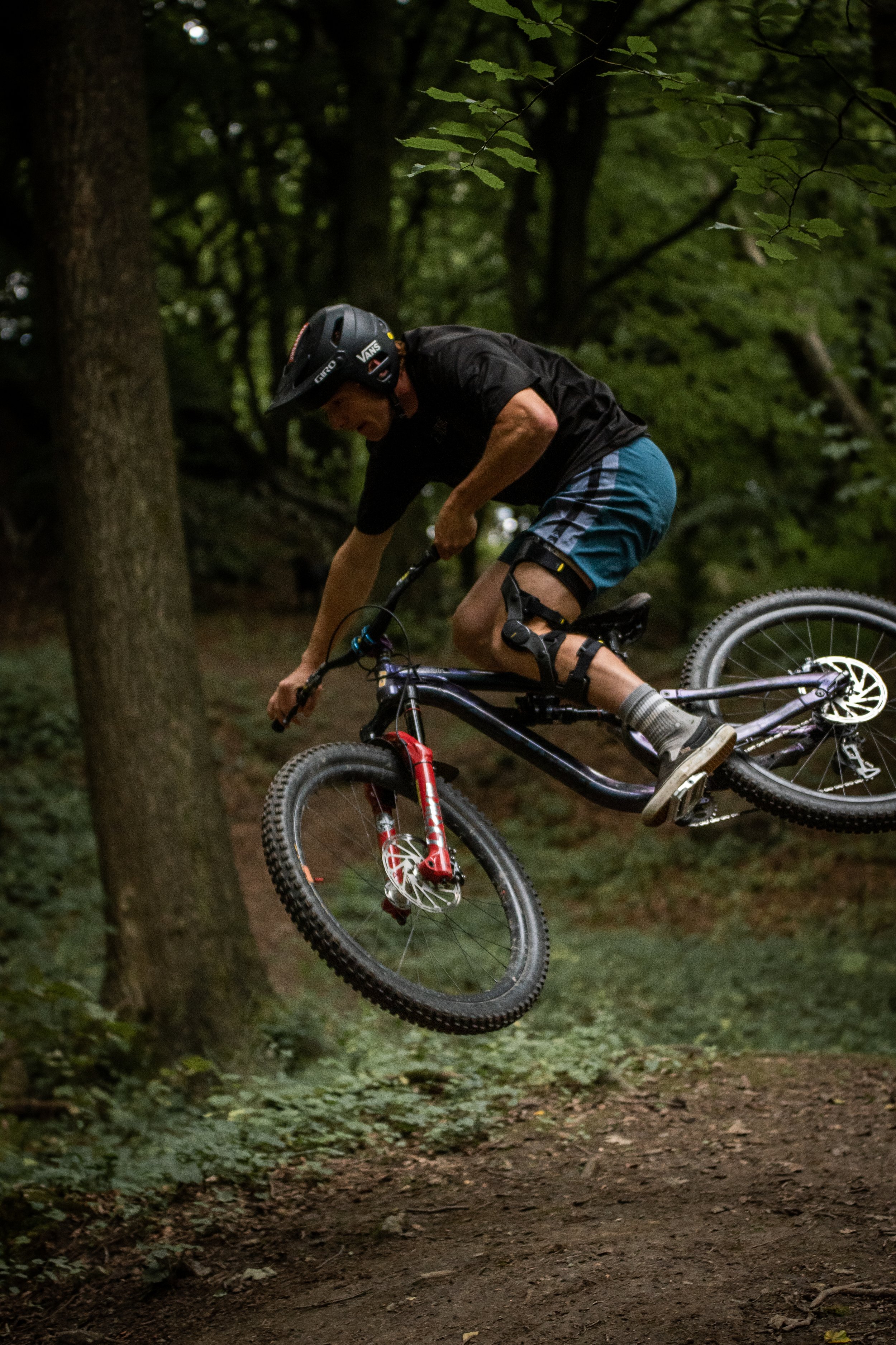
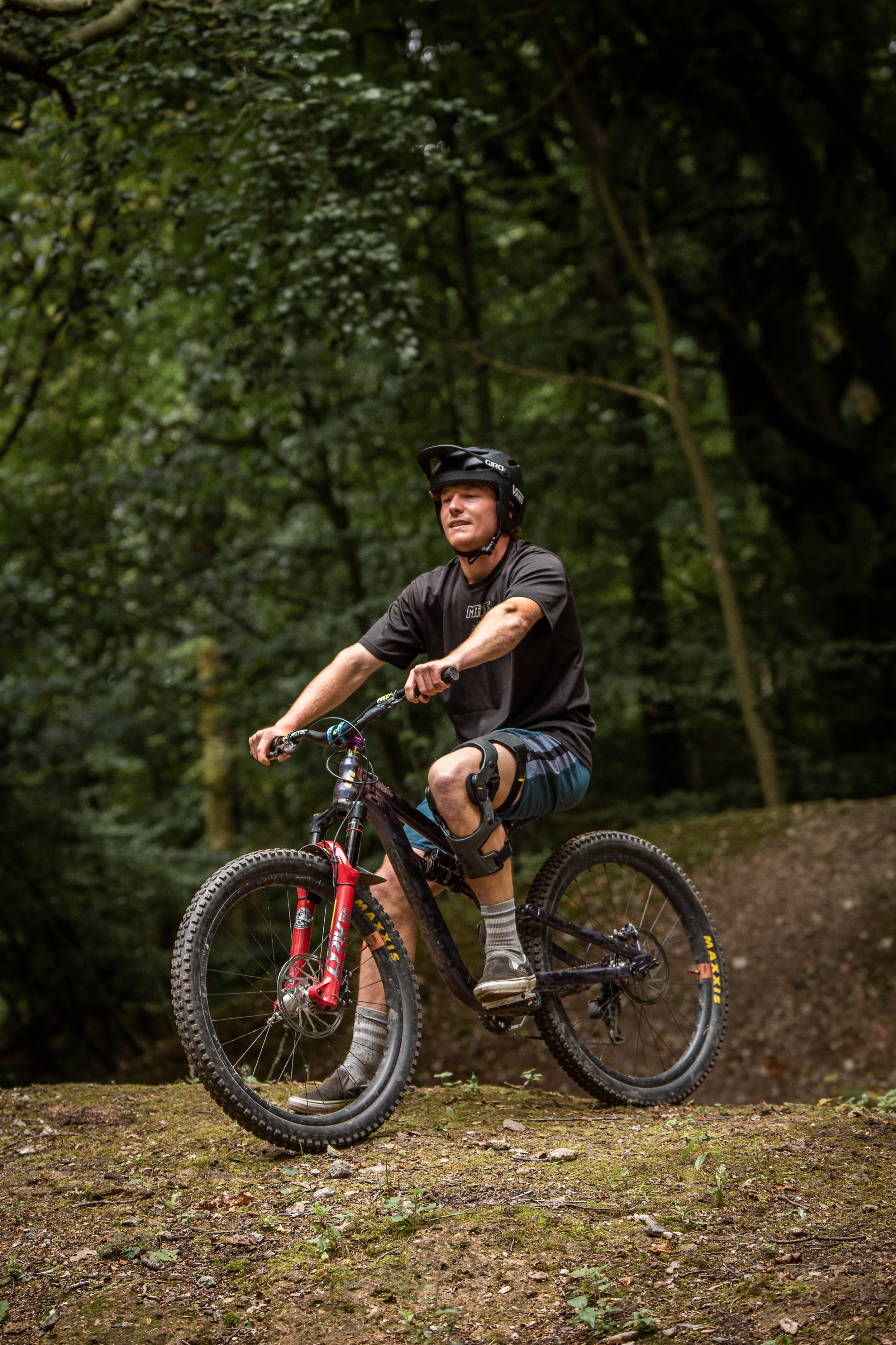
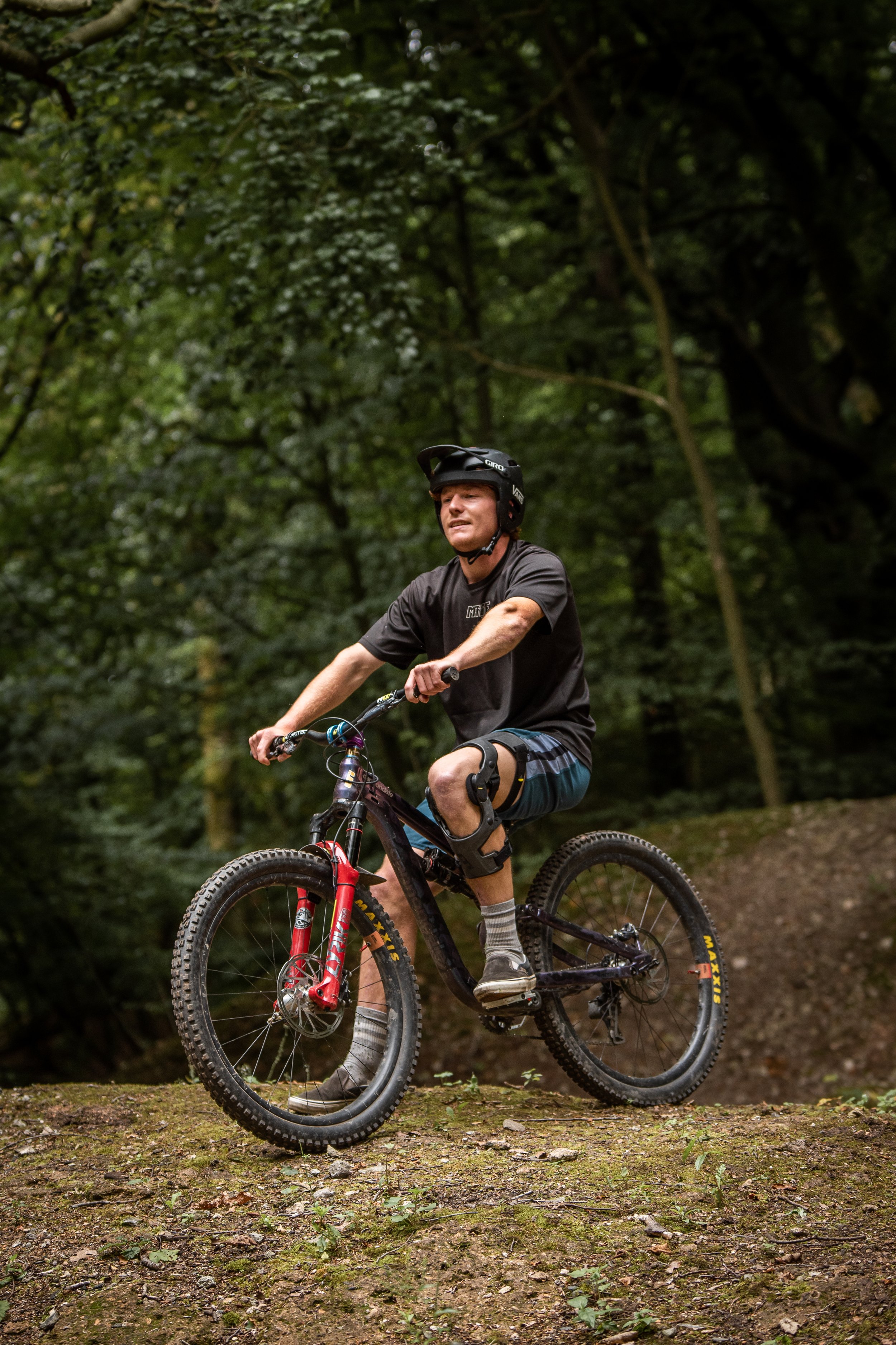
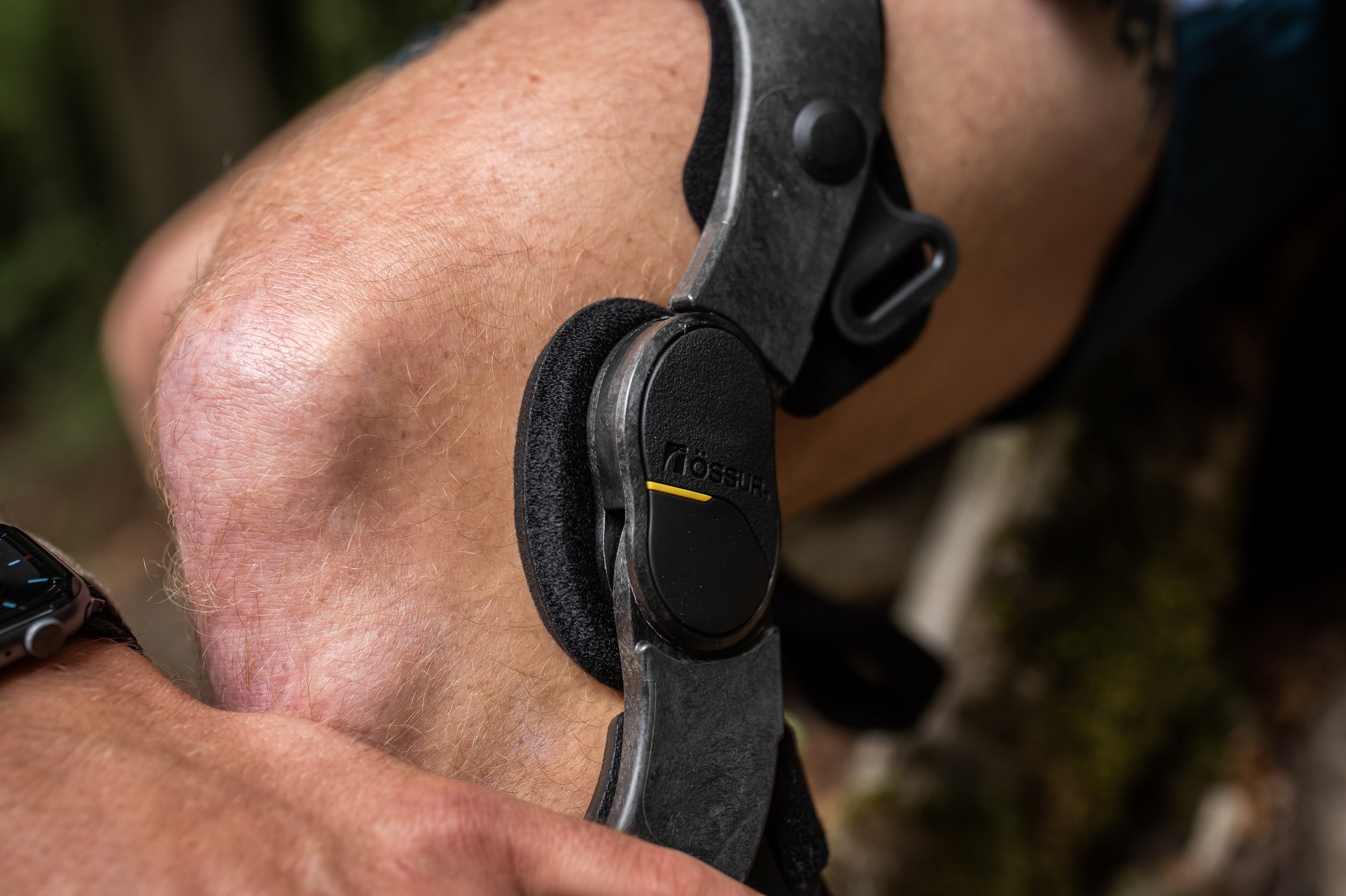
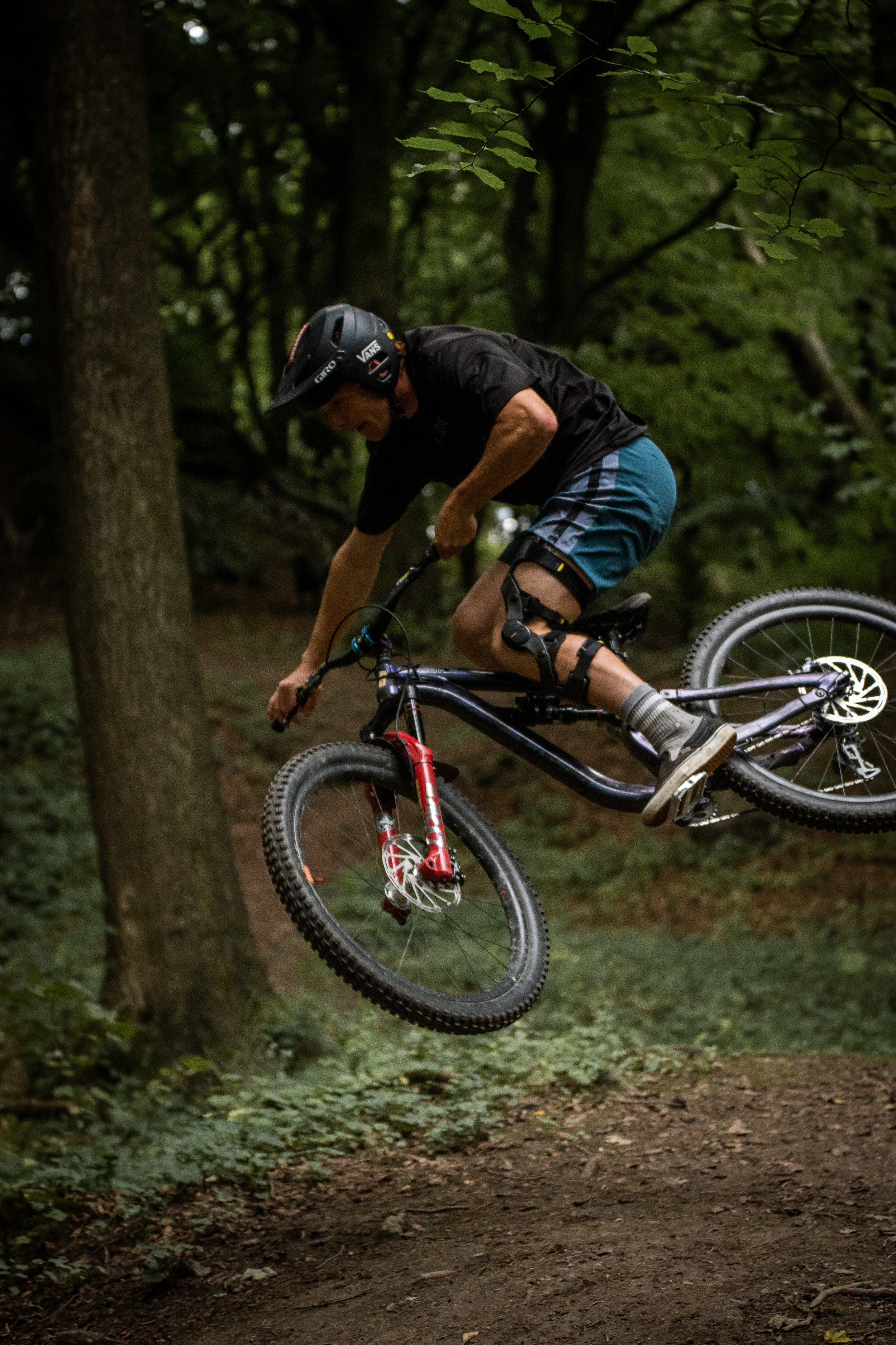
Newly Released Ossur CTi3 : Knee bracing protection for mountainbiking, ski-ing, motorcross and all extreme sports

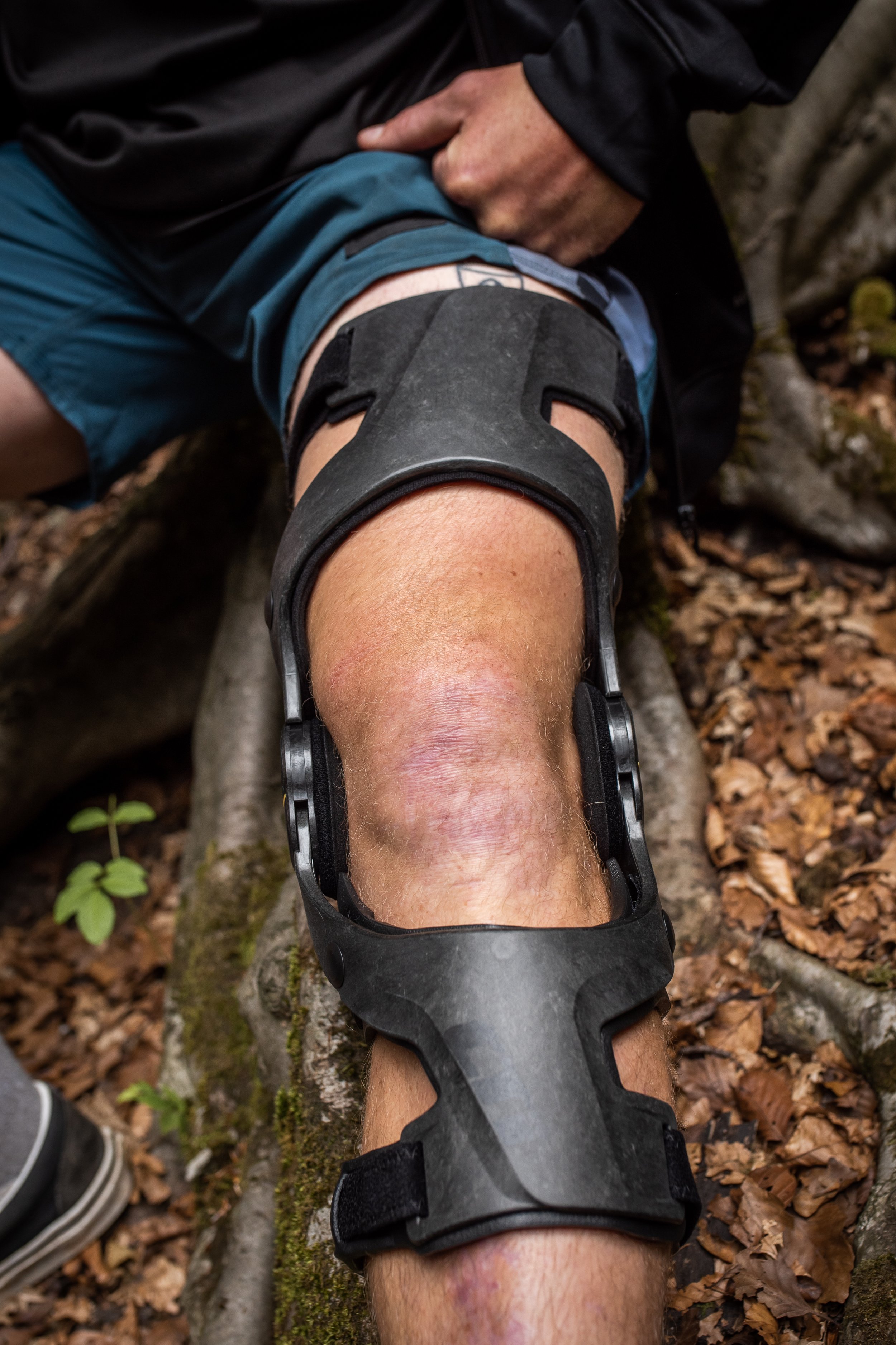
The brand new CTi3 knee brace from Ossur is the ultimate protection system designed to help prevent serious knee ligament or cartilage issues.

UPGRADED FROM THE CTi OTS

Ossur’s use of innovative engineering, lightweight and high strength random orientation carbon makes for a incredibly strong and comfy brace to KEEP YOUR KNEE SAFE during extreme sports.

PERFECT FOR PEOPLE WHO ALREADY HAVE LIGAMENT AND JOINT INSTABILITIES ASWELL AS THOSE WHO SIMPLY WISH TO PREVENT ISSUES FROM INJURY FROM EVERY DAY USE OR SPORT

STABILITY AND PROTECTON AGAINST INJURY FOR YOUR ACL / PCL / LCL / MCL

Using this bracing system prevents unnatural knee movements and provides you with the confidence to continue doing the things you love with maximum stability around the knee.

Worn by professional and amateur skiers, snowboarders, mountain bikers, BMX and motocross riders


WHAT ARE THE KEY DESIGN FEATURES THAT SETS THIS BRACE APART?

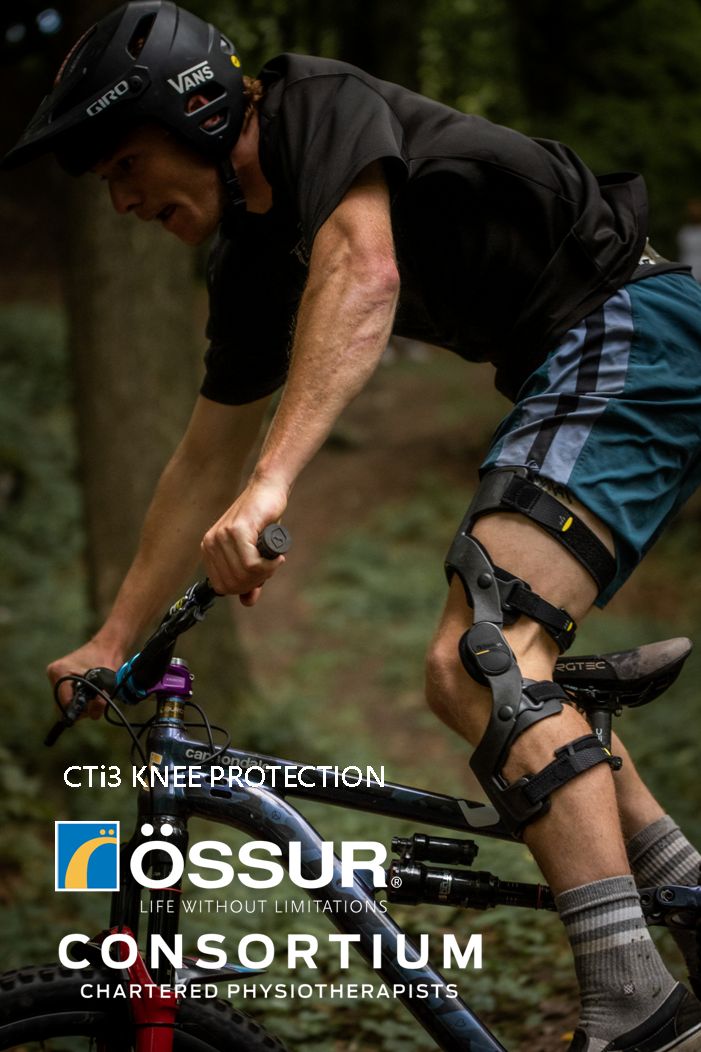
The brace is a clever, slim and low profile design that can be fitted to track the natural movement of you knee making it perfect for a range of sporting activities.

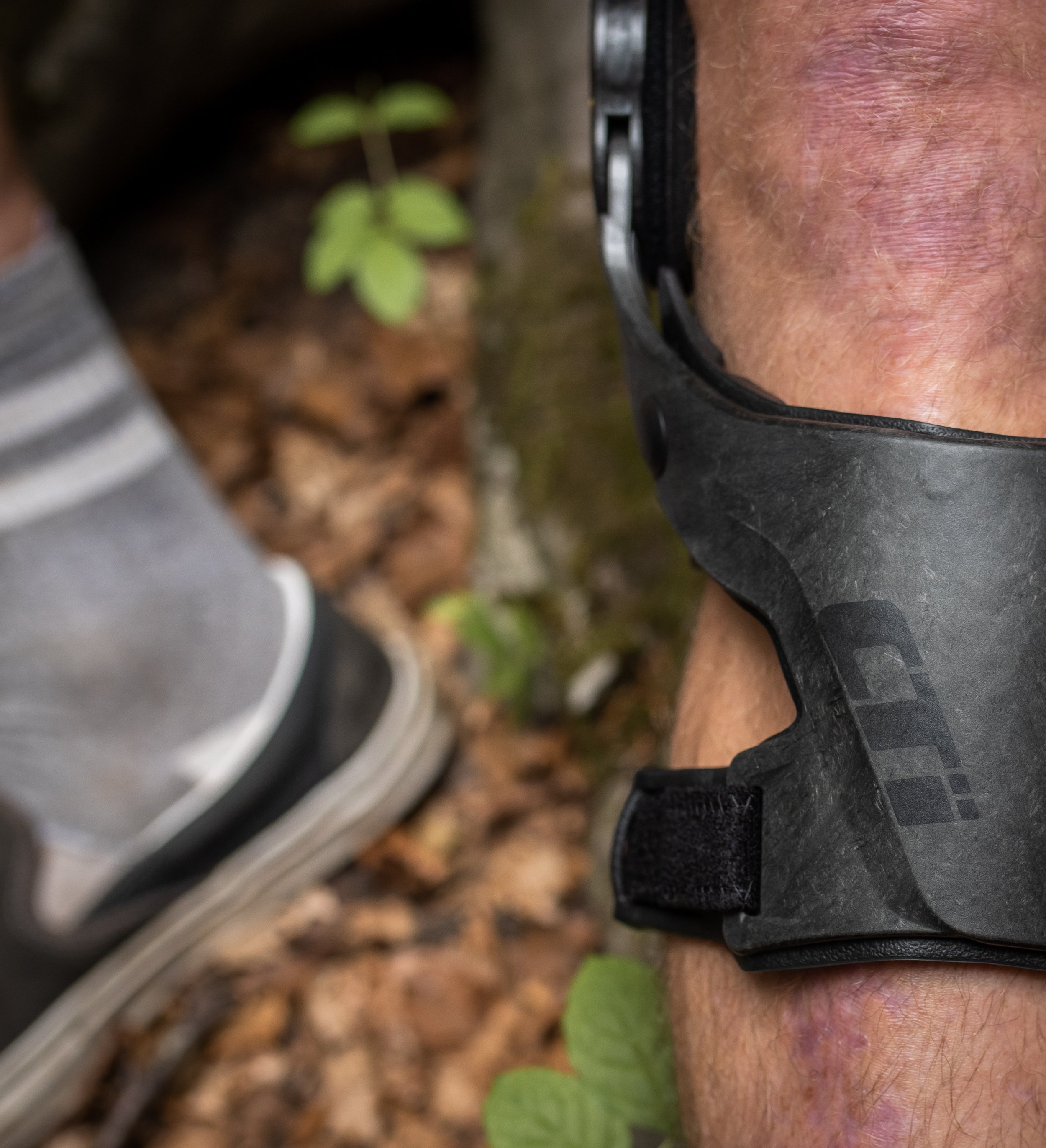
The frame is injection moulded with carbon composite giving an awesome natural matt black finish. Having no paint leaves it lighter than ever before and prevents any worries around chips and scratches.

WHAT LEVEL OF RESEARCH AND SCIENCE HAS GONE INTO THE DESIGN OF THE NEW CTi3?

Ossur have used the data from over 10,000 knee models to ensure the absolute best fit of the CTi3 brace with a number of brilliant upgrades.

  • Increased space for those with developed/large VMO (the large quads muscle at the inside of your knee).

  • Special attention has been paid the the tibio femoral angle to ensure optimal fit.

  • Rigid medial and lateral arms to protect against lateral forces

  • Added flare to the distal tibia on the lower frame to reduce any pressure points.

  • Unique lining to enhance comfort with cushioning and ventilation, helping stop pressure points, sweat, unwanted movement or slippage of the brace and it can easily be used in water.

The carbon fibre support system is designed to provide total support in protecting all of your key knee ligaments. We can also add an additonal component to help anyone who may already have a PCL (posterior cruciate ligament) injury OR extra knee cap protection for motorcross, bmx and moutain bikers.

If you are interested in having an Ossur CTi brace fitted then please do email us using enquiries@consortiumphysio.co.uk or call us on 01482 847705 and we can discuss your suitability.

PRICES:

Ossur CTi3 : includes consultation with full fitting service from one of our knee experts. £525.00

Ossur CTi3 custom : custom made brace for the highest fit possible, includes consultation with full fitting service from one of our knee experts. £799.00


Bracing to Unload Your Arthritic Knee : The Unloader One X from Ossur

Are you suffering from a painful knee osteoarthritis or a degenerative meniscal tear?

Are you looking for an alternative to surgery?

The Unloader ONE x from Ossur is considered the markets leading brace for RELIEVING PRESSURE AND PROVIDING pain relief.

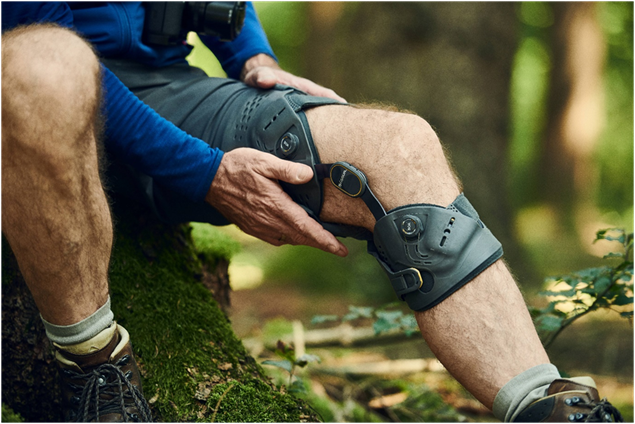
The brace is slim, lightweight and comfy and is clinically proven to ‘unload’ pressure and pain from your knee to help get you back in control and back doing the things you love again.

The brace is designed for ease of use and works using a unique patented 3 point leverage system that helps increase the joint space in the affected part of your knee. The brace is slim line with soft edges and can easily be worn discreetly under your clothing. It is adaptable to fit your specific size and shape and you can control the level of tension it provides using the smart dosing dials. All of the liners and pads are skin friendly with a smooth inner surface to reduce the chances of developing pressure points.

Picture2.png
Picture1.png

   Ideal for daily activities and low to moderate intensity sports and hobbies.


We have worked with Ossur as partner clinic for a number of years. We are the only provider and fitter of the Unloader One X in the region. As everybody’s knees can vary slightly our trained clinicians will take measurements to ensure you have the right size brace and will then perform adjustments to ensure you get the optimum relief.

If you are interested in having an Ossur Unloader One X fitted then please do email us using enquiries@consortiumphysio.co.uk or call us on 01482 847705 and we will arrange a telephone call to discuss your suitability.

Prices:

Ossur Unloader One X brace £625 : includes initial phone call to discuss suitability and support with measurement, face to face appointment for individual fitting, follow up phone call to check on progress.

Please note, although not usually needed, further sessions to adjust the brace or provide additional support are charged separately.

£20 for a 20 minute appointment or £45 for a full 45 minutes.

This brace is also available for patients who are AXA insured, please contact your insurance company for terms and referral.

PATIENT INFORMATION REGARDING COVID - 19 AND FACE TO FACE APPOINTMENTS

Guidance for patients during the covid-19 pandemic

While we are still dealing with the coronavirus pandemic we have made some changes to the clinic for your safety and to ensure we are covid-19 secure. Please read this document prior to attending your appointment.

Key points

We are open for face to face consultations.  If you do not consider your symptoms in need of face to face assessment then we are also offering the option of remote appointments via telephone and video.

Do not attend the clinic if you have covid-19 or any symptoms suggestive of covid-19. This includes a new or continuous cough, cold, fever/temperature, loss or smell or taste.

On arrival to the clinic, if you prefer then you can remain in your car or feel free to use the waiting room. Either way your clinician will check both places at your appointment time and will fetch you in from the car park if required.

At the time of your appointment please take time to use the hand sanitizer before entering the clinic room.

During any close physical examination your clinician will be wearing a mask.

There is no requirement for patients to wear masks.

The clinical areas will be cleaned thoroughly between patients.

If you are deemed to be clinically vulnerable then please do not attend unless you feel it absolutely necessary. You may wish to consider a remote appointment in the first instance.  The government guidance for clinical vulnerability is listed below.

-        aged 70 or older (regardless of medical conditions)

-        under 70 with an underlying health condition listed below (that is, anyone instructed to get a flu jab each year on medical grounds)

-        chronic (long-term) mild to moderate respiratory diseases, such as asthma, chronic obstructive pulmonary disease (COPD), emphysema or bronchitis

-        chronic heart disease, such as heart failure

-        chronic kidney disease

-        chronic liver disease, such as hepatitis

-        chronic neurological conditions, such as Parkinson’s disease, motor neurone disease, multiple sclerosis (MS), or cerebral palsy

-        diabetes

-        a weakened immune system as the result of certain conditions, treatments like chemotherapy, or medicines such as steroid tablets

-        being seriously overweight (a body mass index (BMI) of 40 or above)

-        pregnant women

If you have any questions regarding any of the above information then please let us know immediately. .

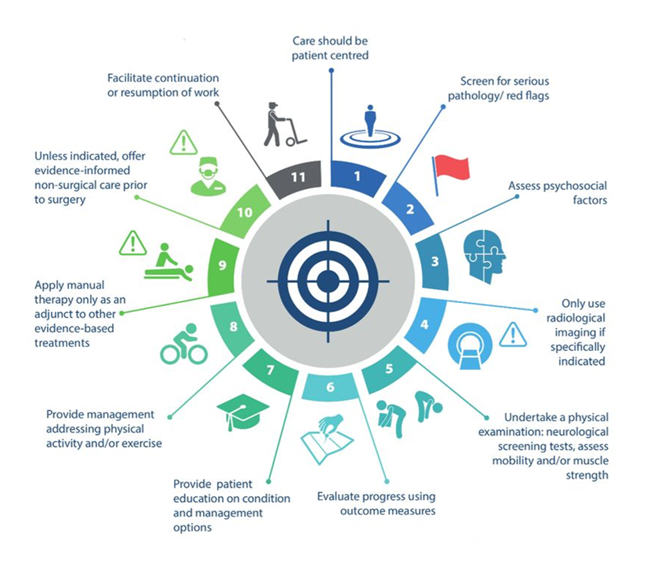
Have You Been Getting the Right Treatment? 11 Recommended Steps for High Quality Care

At the Consortium Physiotherapy Clinic Hull we see regularly see a large volume of patients complaining of back pain, neck pain, shoulder problems and knee issues.

Published in the British Journal of Sports medicine this year was a systematic review (source) of 44 best clinical practice guidelines. They highlighted huge gaps between what the growing body of research and evidence says we should do and what is actually provided in many clinics.

11 recommended key points

1.      Care should always focus around YOU the patient

2.      Your clinician should always screen you and try to rule out serious and sinister conditions

3.      You should also be assessed for a variety of cognitive, social, lifestyle and emotional factors that are likely to influence your care

4.      Imaging should not be routinely used unless you are suspecting serious pathology, have failed treatment and/or your symptoms are progressing and are hard to explain

5.      You should be physically examined which may include neurological screening tests, functional tasks, flexibility and/or muscle strength

6.      Your progress should be measured using tools called outcome measures which are often questionnaires that assess your musculoskeletal health

7.      Education about your condition and the options open to you to help manage it is essential

8.      Participation in physical activity and/or exercise should form a key part of your management plan

9.      Passive treatments where you are mobilised, massaged or manipulated should only be used alongside other evidence-based treatments, this type of treatment should not make up the majority of your care

10.    You should always be offered evidence based conservative management before being referred for a surgical opinion or considering surgery

11.    Where possible we should help your either continue to work or assist you in getting you back to work

back pain.PNG

Consortium Physiotherapy Hull's : Guide to Acute Lower Back Pain and Sciatica

A C U T E L O W E R B A C K P A I N A N D S C I A T I C A G U I D E

Public beliefs on back pain are often incorrect (source) while our approach to managing back pain in the past also hasn’t worked very well. Fortunately, we now have a much more contemporary understanding of how to best manage things (source).

If you are suffering with recent onset lower back and/or sciatica then this article should help you guide your care. If you have developed back pain for the first time then research has shown that simple advice can reduce your pain and help prevent re occurrence (source). THIS IS NOT A GUIDE FOR THOSE WITH CHRONIC LOWER BACK PAIN.

Terminology

What do we mean by lower back pain: Pain, soreness or stiffness anywhere between the rib cage to the top of the buttocks.

Acute back pain: Symptoms that are new and started usually within the last 6 weeks.

What is sciatica: This is pain radiating down one or both of your legs usually as a result of the nerves in your back being irritated, this can often be associated with numbness and tingling and in some instances weakness.  

Should be worried that something serious is causing my symptoms?

It is difficult to identify a clear single cause of lower back pain. In most cases it is usually a combination of things that has led to you becoming symptomatic. There are in some very rare cases specific and serious causes of your back pain such as infections, fractures, tumours and sometimes inflammatory diseases but the good thing is that these things are usually only present in less than 1 out of every 10 people.

Interestingly back pain is not often caused by prolonged sitting (source), repetitive lifting or bending (source).  

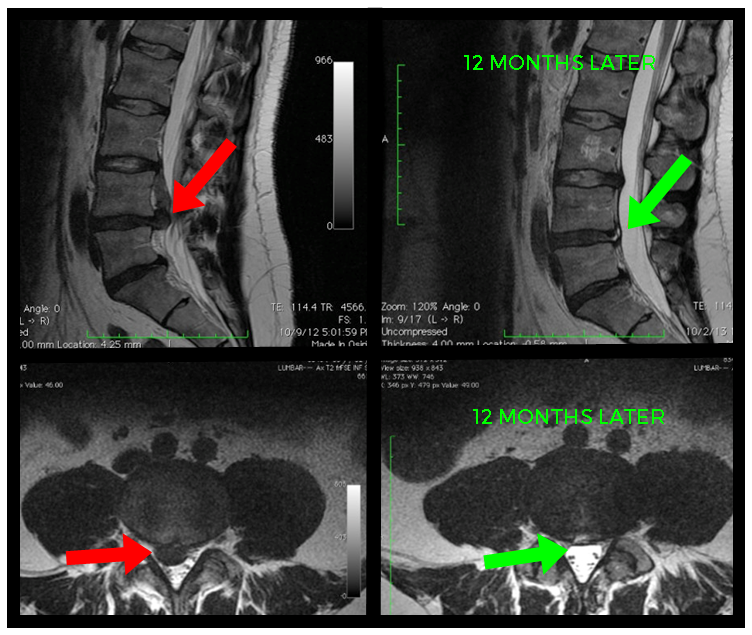
There is little evidence that disc bulges or degenerative changes are the cause of back pain (source). Some disc bulges can cause back pain and leg pain but fortunately the majority of these heal up and are resorbed naturally (source).

What does the future hold for me if I have acute back pain and/or sciatica?

Back pain with or without sciatica is very common and makes up a large proportion of what we see in the consortium physiotherapy clinic. In some cases this can be triggered by certain activities or by specific movements but in other cases there is no obvious reason. Back pain is quite common amongst the general population and most people will suffer multiple episodes of back pain at some point in their lives. The good thing here is that in most people this usually improves given time and then you can get back to normal without any long term issues. Having sciatica is often a sign that the nerve is also irritated but again the majority of this gets better on its own given time.

What should I do then?

There is lots of research and guidelines that have been developed nationally in recent years to help tell us the best way to manage your acute symptoms. In the first instance self care is always the most effective and cheapest option available. We would advise that you carry on as best as possible within the limits of your pain and continue to participate in your normal activities and carry on at work if possible. This usually helps quicken your recovery and helps avoid persistent symptoms. At first you may be struggling to move about freely but as the days pass this usually gets better. You should then build things back up in a sensible and GRADUAL manor. Only if you are in very severe pain and have no choice would we recommend resting in bed as this often results in your symptoms taking longer to get better. It s often best to treat your back exactly the same as you would if you had sprained your ankle. For example, you wouldn’t stress to much about it to begin within, you would use it as your pain allowed and then gradually get back to normal over the coming weeks as it heals up. Often if we use the same to our back and leg pain it can be helpful.

It is always useful to remember that the amount of pain you experience in your back and/or leg rarely equates to the level of damage or harm that you have done. Similar examples of this can be seen when you have a tiny paper cut with a large amount of pain.

Most people don’t need a large amount of treatment in the early stages and you are often discharged following a single session. If you do not improve or should you worsen further we would strongly recommend you come back for further sessions to help us optimise your care.  If we do see you in the clinic we will try to screen out people with higher levels of pain, distress, anxiety and fear of movement as we would provide these individuals  with more face to face input at early stage to give them a better chance of recovery.

What exercises should I do?

We are strong believers that exercise should be focused around what you enjoy most. Your spine is full of joints and is a highly flexible structure and therefore likes to move freely in all directions. Exercise tends to work best when performed over long periods of time. For this reason you are encouraged to choose the type of exercise that you enjoy most and the type that fits in best with your lifestyle. It is best to exercise in the long term with the reassurance and understanding that stiffness and soreness after exercise is often normal and over time this becomes less. To begin with you may have to move in a guarded and cautious way as your pain will still be prominent at this time. As you start to improve we would recommend trying to move more freely again. We often encounter patients who have spent years deliberately bracing and protecting their spine and moving rigidly. In the majority of cases this is not always a helpful strategy, instead it can often lead to higher levels of pain, stiffness and disability.

medication advice

Guidance from NICE in 2016 (source) recommends using Non Sterioidal Antiinflamatory Drugs (NSAIDs) for managing back pain at the lowest effective dose and for the shortest possible period of time. If you can’t take NSAIDs then weak opioids can be used on the same basis. We would recommend you must take advice from your physio, GP or pharmacist if you are considering medicating.

The guidelines recommend against using paracetamol alone for managing back pain and to not advise that you are routinely offered opioids.

If you have severe sciatica then a number of neuropathic medications can be considered including amitriptyline, duloxetine, gabapentin or pregablin. Again you will need to discuss this with a medical practitioner and you should not take these medications if you have back pain alone.

Lots of physiotherapy practices offer all sorts of treatments like acupuncture and manipulation. Should I pay for these things?

 The guidelines of excellence recommend AGAINST treatments including belts, corsets, acupuncture, stand alone manual therapy, foot orthotics, traction and electrotherapy including ultrasound, TENS, PENS and interferential. This is because their effectiveness is limited and therefore in general they are not considered to be cost effective across the board. Treatments like this can also leave patients with negative back pain beliefs and an increased reliance upon therapists to ‘fix’ their back pain, leading to worse outcomes in the long term.

Can my spine or pelvis end up out of alignment or out of place?

Despite the fact that many patients are still treated for this, there is no evidence to back up the idea that you can end up with your spinal joints or discs being out of alignment. Usually if you have your back manipulated it can provide short term pain relief but this is because it manipulates your nervous system rather than someone putting something back in place. Some patients do naturally have different spinal postures but this may only mildly pre dispose you to some lower back pain and cannot be treated by manipulation or ‘realignment.’

Who is at risk of developing longer term back pain and what can be done?

Individuals who become extremely fearful of moving, take excessive rest, avoid normal activities, cannot control their pain or who believe that something is seriously damaged in their back often are more likely to develop long term back pain. Given that the public’s understanding of back pain over the years has been incorrectly focused around the vulnerability of the spine we can easily see why some people end up in this difficult situation. A simple examination can help identify this group of patients and fortunately there are some strategies we can try to use to improve their situation. The best approach that we know is to identify various physical, cognitive, emotional and lifestyle factors that we feel could contribute to their ongoing pain. We will also look to identify and stop unhelpful pain behaviors and re introduce exercise alongside positive back pain beliefs and cognitive behavioral therapy. The success rates for this type of treatment can be very good but there are also a small group of patients that will fail treatment and require referral on to a higher level pain management and rehabilitation program.

When should I seek medical help?

If your back or leg pain gets worse not better and/or persists for longer than 6 weeks you should seek help. A simple assessment and face to face discussion should be enough to optimise your care in most cases. In this scenario we may discuss together how is best to proceed and in some instances we will arrange imaging if appropriate and refer you onto a spinal surgeon. The primary aim of surgery is usually to relieve sciatica and often leaves your lower back pain unaffected if not worse.

However, there are circumstances where you should seek help sooner, for example if you are known to be osteoporotic or if you experience unsteadiness or difficulty co coordinating/ controlling your legs when you walk. If you have intractable sciatic pain and cannot cope then it would also be sensible to seek help.

Should I ever seek EMERGENCY help?

It is rare to have to seek emergency care for lower back pain and/or leg pain. However if you experience any of the following symptoms should present to your local emergency department as a matter of urgency (source).

·       Saddle anaesthesia (loss of feeling between the legs, numbness in or around your back passage or genitals).

·       Bladder disturbance (inability to urinate or difficulty initiating urination, loss of sensation when passing urine, inability to stop of control urination, loss of feeling your bladder is full).

·       Bowel disturbance (inability to stop a bowel movement, constipation, numbness when passing a bowel movement).

·       Sexual problems (inability to achieve an erection or ejaculate, loss of sensation during intercourse).

·       Severe sciatica associated with worsening neurological weakness for example an inability to lift your foot up from the floor.

Imaging

Imaging is often not helpful in most cases of lower back pain.  Most of the degenerative changes found on MRI are often meaningless or incidental as these changes are usually similar to people of the same age that have no back pain. Often the ‘wear and tear’ that is seen simply reflects the normal aging process and shouldn’t be much cause for concern.

There are a small number of people who have symptoms that may require us to order you an MRI scan and this decision can be made after one of the Consortium Physiotherapists has performed a simple assessment. Imaging is helpful if

·       you have any of the emergency symptoms listed above

·       if you have persistent sciatica for longer than 6 weeks without improvement

·       if in some rare cases you have severe, unrelenting and intolerable sciatic pain

will i ever need to have surgery?

Surgery in your lower back is reserved for patients with either severe nerve pain into their legs and/or patients who have developed neurological compromise (as is detailed in the section above titled when should I ever seek emergency help). Persistent sciatica that fails to improve over time is usually investigated with an MRI scan and dependant on the scan findings you may be referred for a surgical opinion. In rare cases of acute severe and uncontrollable sciatica you may be investigated urgently. Even then surgery is used primarily to relieve pressure on nerves and would be likely to leave your back pain unaffected if not worse. The guidelines state there is virtually no role for surgery for back pain whether it is acute or chronic. This is because the outcomes are usually poor. In some spinal centres they will operate for back pain but only if you are part of a special trial.

There is a lot of evidence that patients with more positive beliefs and a greater understanding of their symptoms have a better prognosis (source). We therefore hope that you have found this guide to be a useful resource.

If you would like to download this guide as a printable PDF then please click here.

If you need any more information then please do let us know by contacting us using contact@consortiumphysio.co.uk

The Ten Benefits of Massage Therapy & Sports Massage

The Ten Benefits of Massage Therapy & Sports Massage

Ten benefits of sports massage

Should I wear a particular type of running shoe?

You can’t beat that feeling of going for your first run in your new pair of trainers. However, getting to that stage can seem like a fairly hazardous decision to make. On entering the shop or looking on-line we are suddenly faced with different makes, styles, colours and now even one manufacturer suggesting their trainer is going to help someone break the 2 hour barrier for a marathon!

The questions we get asked regularly in clinic are… Should I have my gait analysed and should I pick my trainers to fit my ‘running style’ and my ‘foot type?’

So let’s try and help answer these questions…

One of the first things you will come across when looking to buy a pair of running trainers are the terms Motion Control, Neutral and Cushioning shoes.

But what do they actually mean??

Motion control is often suggested and recommended for runners who ‘over pronate’ (have low arches). Cushioning is often suggested for the opposite ‘under pronators/supinators’ (have high arches) and Neutral is recommended for the runner with the supposedly ‘perfect biomechanics’.

But the big questions are… What actually is ‘perfect biomechanics’ and what actually is ‘normal’??

There is a huge variability between how everybody’s ankles and feet move so you could argue ‘normal’ does not really exist. For example normal for one person could be an over pronater, but this is where their ‘load tolerance’ (See previous blog - Source) has been built up over years. By changing this and recommending a ‘Motion Control’ shoe (which often happens to primarily prevent over pronation) this could actually cause a new injury/issue as the load will be transferred to a different area, which will likely be less tolerant and potentially lead to problems arising. Therefore this is probably the last thing you would want to do for someone who has no injury concerns and has run with this style for many years.   

A perfect example of somebody running with ‘over pronation’ with no problems is one of the world’s best ever runners Haile Gebrselassie (See link below)...

Source

So how do I choose my new running trainers??

At this present time there are a vast amount of studies exploring this with some of the best evidence opposing the regularly recommended afore mentioned shoe types being matched to the individuals running gait and foot posture. Some of the key studies that strongly challenge our traditional views on shoe and foot type are summarised below.

 A large study was carried out by Knapik (2014)(Source) who looked at 789 runners wearing running shoes based upon their foot type and a similarly large group of runners all wearing stability shoes regardless of their foot type/posture. Their injury rates were then compared with the results showing there was no difference between the two groups!

Another large study which included one of Nike’s leading bio-mechanists (Ryan et al, 2011)(Source), took a large group of women runners and randomised them to the 3 shoe types previously discussed. They then took a separate group who had shoes matched to their foot posture. Not only did this not provide any evidence towards wearing shoes based on your foot posture it actually found the matched shoe to foot type group developed more injuries instead!

So what trainer shall I buy!???

With the vast amount of evidence available and the ongoing research it is not conclusive to suggest we need to be worried about how we run and about our ‘foot posture’ when choosing our new trainers. Instead, it all comes down to something far more simplistic…

The most clear evidence points towards choosing our shoes on... 1) What is most comfortable in general and 2) Dependant on any symptoms we may struggle with (Nigg et al, 2015, 2017).(Source, Source

However, one piece of advice we would strongly advocate is not to drastically change your type of trainer as this has been clearly proven to significantly increase your injury risk due to the changes in distribution of load. Examples of this can include changing from a shoe with a larger heel drop towards a minimalist shoe. If you are thinking of doing this it should be undertaken with graded exposure over time allowing the foot/lower limb to adapt.

We hope you have enjoyed the latest instalment of the Consortium Chartered Physiotherapists blog. If you have any questions or require any further advice surrounding this topic or any other injury problems please don’t hesitate to get in touch and we can schedule you to have a review with our running injury specialist physiotherapist.

Kind regards,

The Consortium Chartered Physiotherapists Team

10 Reasons why you should choose our physiotherapy service

1)      Unique business model

We are the only physiotherapy provider in the Hull and East Yorkshire area to provide access to regional specialist physiotherapists. All our staff practice at a high level. This can involve working directly alongside consultants in surgical clinics or working at the top end of professional sport. Our clinicians specialise in treating different parts of the body and can therefore provide you with a higher level opinion.

2)      Modern, attractive clinic space

The clinic is situated in north Hull close to Cottingham with our own private car park. We provide a comfortable and relaxing environment with the aim of providing the best possible experience for our patients. Our staff are happy to offer drinks on your arrival and your friends and family are welcome to wait in our spacious wait room during your consultation.

3)      Access to injection therapists

Injection therapy is only appropriate for a very small selection of patients. When used at the right time with carefully picked patients it can be an extremely useful treatment. We offer access to Cingal (link) Ostenil Plus (link) and steroid injections.

4)      Less treatment sessions with better outcomes

Our unique business model of providing specialist staff often means that you see better results and with less sessions. This is often more efficient and cost saving for our patients.

5)      Specialists in assessing and managing complex running injuries

Most physiotherapy clinics will regularly see patients that present with a variety of running injuries. We recognise this and have access to a physiotherapist that specialises in this field and has attended all of the highest level physiotherapy running courses around the uk. It also helps that they are a top level runner themselves and can therefore directly relate to your needs.

6)      Access to imaging and consultant referral

Imaging is not always needed in the clinic but it is often appropriate for a small selection of our patients (see our victim of medical imaging blog). We have direct access to MRI scans, x-rays and ultrasound should this be required. If needed we can refer you directly for surgical opinions without the need for you to be referred by your GP.

7)      Registered with most insurance providers

We are approved to see most of the privately insured patients, this includes the key providers BUPA, AXA and CIGNA.

8)      Specialists in managing chronic lower back pain

Lower back pain is one of the most complex conditions we encounter. It is a condition that is multifactoral and often misunderstood by the public. Fortunately two of our staff members are specialists in treating back pain for the region. We believe that a better understanding of back pain is key for our patients and regularly blog on this topic.

Discs (link)

Understanding back pain video (link)

Why core stability exercises don't often work (link)

9)      Attention to detail

Our staff all pride themselves on offering the highest standards of care. Even when you are between appointments we offer all of our patient’s direct access to our clinicians for advice by email or telephone. This ensures that when you are under our care you will be looked after to the highest standards possible.

10)   Evidence based care

As a team we are passionate about being evidence based and ensuring that our patients receive contemporary care. It helps that most of our staff regularly lecture in their field. The evidence base for physiotherapy is always evolving and we are always working hard to make sure we stay up to date for your benefit.

To sign up for the latest news, blogs and promotional offers then please leave your details via the homepage on our website

Thanks for reading

Does stretching actually prevent injury?

Our worst nightmare as a runner or athlete is getting injured. We often try all kinds of methods to prevent this…

What do we think actually causes injury?  

Do the traditional things we do to prevent injuries like stretching actually help?

A study carried out by Saragiotto et al, 2014 (SOURCE) found runners to believe that not stretching both before and after their run would leave them more likely to get injured. This is something that is  commonly discussed in the Consortium clinic with our clients. We therefore felt this to be an important topic for us to provide an evidence based opinion on to help our clients separate fact from fiction.

Can static stretching reduce my chances of getting injured?

Static stretching (holding a position to stretch a muscle for a sustained period of time) historically has been a routine of many runners/athletes prior to beginning their activities to prevent against injury. However.... more recent evidence has suggested it’s maybe not as worth your while as you first thought! Lauersen (2013) (SOURCE) found static stretching did not have any protective effects with no support found for stretching and preventing injury when carried out either before or after activity. In fact.... it has also been suggested it can instead have a negative impact on the level of your performance! Did you know static stretches held for 45 seconds or longer, prior to activity can reduce maximal strength, power and muscular explosive performance, such as when jumping and sprinting? (Simic, 2012) (SOURCE)

OK...... So 45 seconds is a long time to hold a static stretch…

So what if I stretch for a shorter time? 

Static stretching for shorter periods has been less associated with the previously mentioned negative effects but still has no benefit towards injury prevention, this may lead you to ask whether it is worth your time doing both before and after exercise? 

Should I continue to stretch? Or is there a better alternative?

One thing we do know is that gradual muscle strengthening has demonstrated the ability to reduce sporting injuries by 1/3 and over-use injuries by a 1/2 (Lauersen, 2013) (SOURCE). More recently, specific eccentric muscle strengthening (working the muscle as it lengthens) has also been shown to both improve and gain long standing muscle length through a process of ‘sarcomeregenesis’ (increasing amount of contractile units in the muscle) (O’Sullivan, 2012) (SOURCE)

So what does this actually mean? In essence, if we included and carried out a specific graded eccentric muscle strengthening routine as part of our weekly training schedule we can ‘kill two birds with one stone’. By not only improving strength, which is proven to reduce the likelihood of injuries, but also by improving your flexibility at the same time if this is one of your aims. An example of this has been demonstrated with studies around the hamstring muscles suggesting an increase in muscle fascicle length by 1/2cm by using eccentric strengthening can reduce the chances of injury by up to 70% (Askling, 2014) (SOURCE)

But I feel better after stretching… so Should I stop doing this or carry on? 

Often clients have carried out static stretches as part of their routines and ’rituals’ before races/competition/games for many years and it makes them feel good and ‘ready to go’… So if you feel happier continuing to do this it is perfectly O.K, although as we have discussed there is no evidence towards preventing injury and holding them less than 45 seconds should have no negative effects on your performance.

An alternative that you also may be aware of is dynamic stretching (using controlled movement and momentum of the body part e.g. whilst standing raising your knee towards your stomach then back to it's starting position repeatedly in a controlled manner to move the muscle from one end of its range to the other). Although this again has little evidence towards injury prevention. Instead, it may be more suited and is recommended to be included in a warm up to gradually prepare your body for the activity in hand (Behm, 2011) (SOURCE)

However, it is also worth mentioning that if your sport requires your joints to achieve sustained extremes of movement such as in Ballet or Kick boxing then static stretching is recommended to be carried out before in short duration to prevent impairment (Behm, 2011) (SOURCE).  

Summary…

To summarise, static stretching before activity is something we have done for many years with the feeling it would ‘stop us pulling a muscle’, but surprisingly the evidence towards this is in fact pretty poor. A better alternative to prevent injury is suggested to be a gradual eccentric strengthening routine included in your weekly training plan. But as mentioned above this is not to say you can’t ever carry out static stretches again… As even though this is maybe not doing what we thought it was to prevent injury, it is not going to do you much harm either.

Hope you’ve enjoyed reading our latest ‘blog’… If you have any questions or would like any further information such as, how to implement a specific eccentric strengthening routine please don’t hesitate to contact us via our Facebook page, Website or telephone and one of our team will be more than happy to help. Also if there are any specific topics you’d be keen for us to cover in our next installments of our blog please let us know.

Kind regards,  

The Consortium Team

Are you in need of a modern approach to manage your persistent lower back pain?

Looking for a modern and revolutionary approach to treating lower back pain? Tried every treatment before with no improvement..?

Most people with severe non specific chronic lower back pain (back pain with no specific structural cause found) have two things in common, they usually have severe pain and also a lack of function. Many of them have undergone treatments including manual therapy, exercise therapy, core exercises, stabilising exercises, manipulation, electrotherapy, massage, pilates, yoga , medications, injections etc (the list goes on....). The evidence base for management of back pain has evolved immensely over the last decade but despite this many patients continue to be treated with all of these traditional therapies with little effect.

Even the latest national guidance from NICE (National Institute for Health and Care Excellence) clearly state that practitioners should not be offering acupuncture, injections and electrotherapy for treatment of lower back pain (source). 

Frustratingly, these types treatments are still marketed and sold to people in pain on a daily basis. There is therefore a clear need for physiotherapists, doctors, surgeons, osteopaths and chiropractors to improve the quality of what we offer for conservative management of non specific lower back pain and in the process move to a more contemporary approach. 

(USEFUL ARTICLE TO READ ON NEED FOR DRASTIC CHANGES IN CURRENT MANAGEMENT OF LOWER BACK PAIN)  

Since its inception, the Consortium clinic has always listed Cognitive Functional Therapy as a service provided for its patients. The research has shown this approach to be significantly more effective than any previous approaches we have traditionally used to manage back pain (source). This is exciting news for the future for those of you who suffer from severe disabling back pain. 

What is Cognitive Functional Therapy (CFT)?

When it comes to treating lower back pain - a one size fits all approach simply does not work.

CFT is most importantly patient centred. This means it is focused entirely around you as a person, your life and your goals. CFT looks at the way you move and analyses some of the strategies you have adopted as a result of living in pain. It targets the fears and beliefs that are associated with performing spinal movements and the movement behaviours you often display around your back. It will help you understand that pain will not necessarily cause your back any damage. We will look through your MRI scan with you and help you to dethreaten some of the worrying things you may have been told about it. CFT will try to get you out of the vicious circle that so many patients find themselves trapped within. Often all of these things lead to a significant increase in the tension around your back and this often drives the nervous system to be over sensitised.

CFT will look to undo and change many of these things to provide you with better strategies to ease your pain and lessen your disabilities. It will help empower you to get back to doing the things in life that are of value to you.

What does the research say that Cognitive functional therapy achieves?

The trials for CFT suggest that this approach is far more effective than the traditional management of being manipulated, mobilised or exercised. It has been shown to significantly reduce peoples levels of pain, disability and fear of movement. It often improves your mood and mental wellbeing. Patients who have had CFT often have less need for ongoing treatments or time off work (source).  

Is Cognitive Functional Therapy appropriate for everybody?

CFT can be applied to the majority of back pain. It is most appropriate for people with non specific back pain that is provoked by certain movements, postures or activities (85% of back pain). It is often even more appropriate for the more complex and disabled patients. It is also used successfully for those people with mild to moderate levels of back pain. However, CFT is not for everybody..... there are some patients (less than 15%) who have had a very specific structural cause of lower back pain identified, this approach is still beneficial but may focus on specific structural cause of symptoms aswell as all of the other contributing factors.

Want to learn more?

This video interviews one of the key researchers in CFT, it discusses what cognitive functional therapy actually is and the significant effects it can have....

Interested?

The Consortium clinic believes strongly in the use of the CFT approach for lower back pain. Should you wish to discuss with one of our clinicians then please contact our enquiries line on 01482 847705. We can always schedule one of our spinal specialists to ring you if needed. Alternatively you can email us at enquiries@consortiumphysio.co.uk
 

PART TWO - Managing load to avoid injury: How to not wrap yourself up in cotton wool

Welcome to the latest edition of the CONSORTIUM CHARTERED PHYSIOTHERAPISTS blog. Thank you for reading part 1 of ‘managing load to avoid injury’... If you have not read it yet and want to reduce your risk of injury then please click here to do so!

This article has been written by myself (Chris John) and another fellow Physiotherapist and friend Rob Parkinson. Rob is highly skilled physio and works in elite rugby alongside running his own private practice in Gloucester called Pro Performance. You can follow us both on twitter @chrisjohnphysio and @properformrehab

After reading the first blog you will have summarised a few points:

  • The optimal amount of load is best for getting fit and trying to avoid risk of injury. Overloading or under loading can result in an increased risk of injury (Dye, 2005).
  • The acute to chronic workload load ratio is a useful method to monitor your training and ensure you are not over or under loading. The ideal ratio is 0.8 to 1.3 (Gabbett et al, 2016).
  • Calculating your acute:chronic ratio will help prepare you for competition, improve your performance and should decrease your risk of injury.

My previous blog explains how to use this in a very simple way and is relatively easy to remember. However, the disadvantages to using a simple version like this is that everybody is different. Some of us are tolerant enough to be able to drastically increase our training and not end up getting injured. Some will find the opposite and only need to make small changes and often end up with problems. Some amount of this you cannot control, it will just depend on how you were put together and is simply the way you are. However... there are other factors that will influence how quickly you can progress.  Things like your past medical history, age, weight and previous training levels will all have some influence. Using the simple acute to chronic workload ratio that we previously described in part one unfortunately does not account for any of these factors. The other downsides of keeping to a very simplistic model is that it is also very objective as it focuses purely on distance or volume of training and doesn't take into account how hard you went.

For this reason I present to you a more advanced way of calculating your training progression and I will go on to explain this below.

THE ADVANCED VERSION

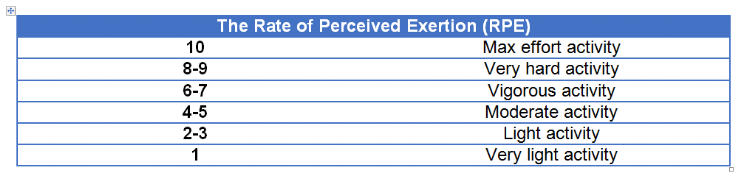
Uses Rate of Perceived Exertion (RPE) (ie 0 no effort, 10 maximum effort)

Calculate your time spent training into units ie. (RPE x number of minutes you undertook that activity for)

You then CALCULATE THE TOTAL FOR THE ENTIRE WEEK

So what is a rating scale?

The ‘Rate of Perceived Exertion’ is a well-known tool in the world of professional sport that is used to measure how the athlete perceives the intensity of workload given (Brito et al, 2016).

THIS CAN BE a game, running, cycling, training, strength and conditioning session, gym session and so on…

The Table below shows the Rate of Perceived Exertion scale. 

(Borg, 1982)

Rate percieved exertion.PNG

So how do you work out your acute:chronic ratio using RPE?

You multiple your RPE by the training session time in minutes

(RPE x training session time = units)

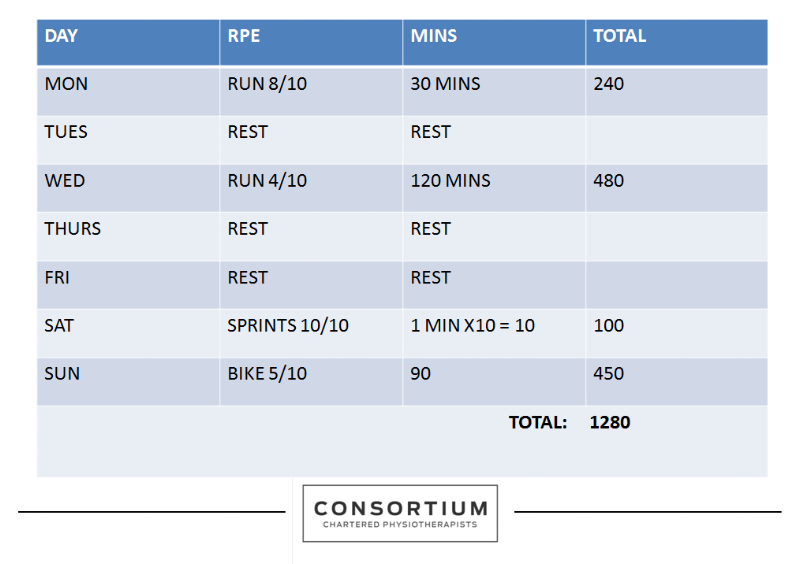
EXAMPLE: A 30 minute gym session was an intensity of 7/10 (30 x 7 = 210 units)

You then use this to work out your total units for the acute and chronic weeks

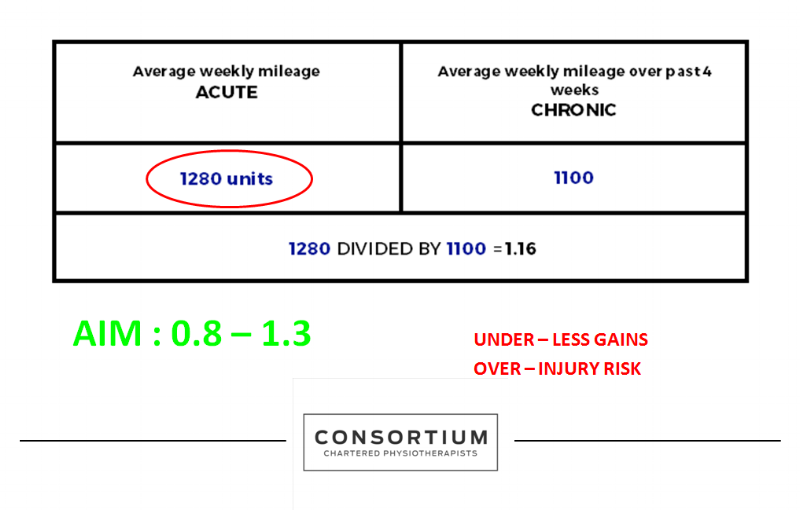
ACUTE LOAD DEFINITION: The sum of load over 7 days

CHRONIC LOAD DEFINITION: The average acute load over the previous 4 weeks (or however many week you chose)

The following example demonstrates how you would calculate the total volume of units for one week of training

you then use this to work out your figure to see if you are in the safe zone or whether you are at risk as demonstrated below 

table.PNG

SO LETS RECAP THE BENEFITS OF USING THE ADVANCED VERSION

  • It takes into account internal and external factors as YOU score how YOU feel after that specific session (Coutts et al, 2004).
  • How YOU progress is then specific to you only (Abbiss et al, 2015). For example, using a prescribed marathon website training program will provide you only with a generic protocol. It is not designed exactly for YOU and does not take into account any of the factors that will affect how quickly you can progress in comparison to someone else.
  • You are in then in total control of your own programme; progressing yourself in a SMARTER way, trying to ensure you always work in your ‘sweet spot.' This will leave you better prepared for competition and less likely to get injured (Gabbett, 2016).

So remember, train hard…but train smart!


Thank you for reading.
 

PART ONE - Managing load to avoid injury: Is it right to wrap yourself up in cotton wool?

Welcome to the latest instalment of our CONSORTIUM CHARTERED PHYSIOTHERAPISTS educational blog. This article is guest written by one of our colleagues Chris John. He is a very talented physio who we feel has a very promising future ahead of him.    

Hello! Let me introduce myself...

I'm Chris John, a senior MSK physiotherapist working within the NHS and also in the sporting setting with Hull City AFC Academy. In the past I have worked with Hull Kingston Rovers, Yorkshire Carnegie Academy, Northampton Saints Community and Dewsbury Rams so it’s fair to say I have an interest in keeping elite sportspeople injury free! My passion lies in exercise led therapy, this has motivated me to write this.... my first ever blog! This blog will highlight the importance of using an evidence based approach to understanding load management as an injured patient or simply as someone that exercises/trains. It should provide you with a basic understanding of how to monitor your loads as well as the actual importance of monitoring loads in order to make you fitter and stronger! Reading this will also guide you through the process of recovering from injuries and more importantly reduce your risk of getting injured in the first place!

So...... what does load actually mean?

LOAD is an umbrella term that in this case refers to the stresses (training or competition) that you subject yourself to during exercise... this can include all types of exercise and their intensities and volumes...

As a general rule of thumb... if you take on more load than you are capable of handling then you are more likely to get injured. However... if you do the opposite and take on less load than you are capable of you will end up doing the same, as this will only result in deconditioning, leaving you in a position where again you are more likely to get injured!

So... ideally you need to find the happy medium. You need enough load to get you fitter and stronger but… not too much as to risk injury. Conversely… do too little and you run the risk of getting injured when you do compete! This fine balance is not necessarily guess work as many people often resort to! Instead…I suggest you use a science based approach and learn about the multiple factors that influence load and try to sensibly control as many of them as you can. These factors are often completely individual to you. The main advantage to controlling them is to

 - Reduce the likelihood of you ending up injured!  

-  Get fitter, stronger, faster and more efficient whilst avoiding injury set backs

-  Prevent injuries re occurring

So… does load actually relate to injury then?

YES….of course! As a physiotherapist that is relatively new in my senior position, I have quickly realised that we cannot eradicate all possibilities of anyone getting injured. However..... decreasing your risk of injury is absolutely achievable!

So with this in mind... I want to educate you on the factors that are out there that both increase or decrease your risk of injury?

FACTORS THAT INFLUENCE YOUR LOAD & INJURY RISK

Risk factors obviously make you more susceptible to injury. These can be intrinsic or extrinsic (source).

 INTRINSIC FACTORS

An intrinsic risk factor can be biological or physiological (Brukner 2012) source. This means it is often personal to you, some internal factors you can control e.g. how much training you choose to do, how hard you go and how long you go for. Other factors can include the type of training you choose to do and in what environmental conditions you choose to train in. Some internal factors are still personal to you while you cannot control them e.g. your age, weight, medical history and previous history of injuries. None of these factors are dictated to you.

EXTRINSIC FACTORS

An extrinsic risk factor is defined as something you CANNOT BE IN CONTROL OF. Extrinsic factors may for that reason increase your chance of injury Brukner 2012 (source).

For example.... if you perform at a high level then how you train or how hard you go may be dictated to you by a coach. You also have very minimal control over the loads that you subject yourself to during competition. During competition you will also have no choice over the environment you often compete in e.g. the type of surface you are, the weather conditions or even the instructions given to you dictating how you should compete by a coach/manager.

So in order to try to stay injury free you ideally need to be as sensible as possible when it comes to the things WITHIN your control. This can often include modifying your training appropriately in order to make sure it sensibly suits you. Alongside this you need to ensure that you only subject yourself to external factors (i.e. competition) if you are fit enough or adequately prepared for them in the first place.

Is there a link between internal and external factors?

Yes…. there is a very important link! This needs careful consideration. For example.....if you are a novice runner that ends up heading out on a training run with another runner that is more conditioned than you then the external loads you are subject too will be exactly the same for both of you e.g. you both run 10k at the same pace and in the same conditions. However the internal loads accumulated will be far higher for the previously injured, older and more novice runner. This leaves him in a position where he is far more likely to get injured.

All the factors mentioned previously will also have an important influence on how you will potentially recover from injury and whether you will successful return to competing.

What are the effects of loading?

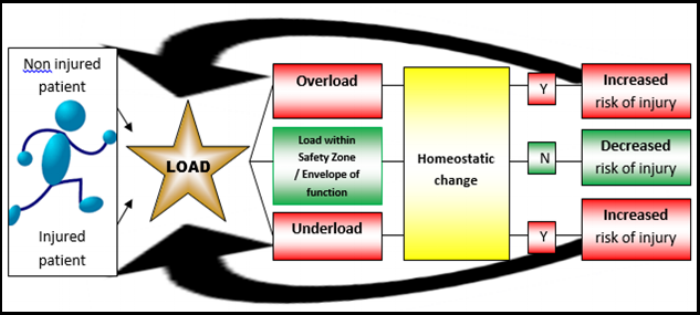
The optimal amount of load is described as an 'envelope of function' by Scott Dye (Dye, 2005) source. This optimal amount of load is the capacity in which a person can safely load and maintain BENEFICIAL tissue homeostasis. If you underload or overload you create DETRIMENTAL homeostatic changes and are therefore more likely to cause an injury. This is demonstrated clearly in the diagram below....(John 2017)

How do I know if I have loaded too much?

Am I running the risk of getting injured?

Often if you have over loaded yourself you will become injured and experience symptoms, this may not be immediate as often we see a delayed ‘post traumatic cytokine flare’ production that can occur 6 to 24 hours after your loading. Therefore you may not know if you have done too much and become injured until after the event. This is an important factor to monitor when you are returning from injury and will guide your progress during this time.

What are the signs that I am doing too much?

Obviously the most common way in which people realise they are doing too much is when they find themselves injured. Sometimes we do end up pushing ourselves more than we sensibly should and there can be early warning signs… if this is the case you may start to notice changes in mood, higher stress levels, lower energy levels, poor sleeping and worse stiffness than you would usually expect following exercise.

What if I am doing too little training?

Research now suggests that training hard will actually leave you less likely to become injured during competition (Gabbett, 2016) source. If you find training too easy and find that it doesn't challenge your body enough you may find that you are not adequately prepared for exercise and therefore you are more likely to get injured when you do actually compete.

OK so… obviously I should monitor my loading to try and stay fit?

Absolutely, monitoring load as a tactic to help avoid over use and injury is becoming increasingly popular.

How can you monitor load?

You probably all already use simple methods to monitor loads…for example

You may calculate how many miles you run per week and progress it by a certain percentage each week, usually this is quoted as a maximum of 10% per week to avoid injury. However, this has limitations, mainly as it only takes into account the previous one weeks’ worth of running.

Another option is proposed by Gabbett (2016) source.

Not so long back I had the pleasure of attending a course ran by Dr Tim Gabbett. Tim holds a PhD and has had more than 20 years of experience working as a sports scientist with a number of high performance athletes and various elite teams around the world. He has written a lot of research looking at load progression and has proposed the acute to chronic workload ratio (acute:chronic) (Gabbett, 2016) source.

This is basically the ratio you need to work out in order to achieve the optimal 'happy medium' we discussed.

ACUTE : CHRONIC as a more advanced method

To work out your acute to chronic workload ratio you need to find a way to quantify the loads you undertake.

To demonstrate this using a simple example we could use a runner’s average weekly mileage

This provides you with a more accurate figure over a 4 week period rather than just one or two weeks.

WHAT RATIO DO YOU WANT?

0.8 - 1.3  is ideal

*** More than 1.5 danger zone ***
(Please consider that 1.5 is only a general guide as some people can respond differently to load) source

So, how is monitoring your load going to help you !?!?!

Gabbetts evidence suggests that….

Your acute load should not be 10% higher than your chronic load or you are at increased risk of injury. He suggests the zone in which you should function or train in as the ‘safe zone’ – using the acute:chronic workload ratio this equates to (1.0)

Most injuries were sustained a week after the actual spike in loads (source). Therefore… if you have a spiked week then this should be a warning sign to remind you to re manage your load and make sure you get the next weeks training load right! Rule: Don’t spike on a spike or you are more likely to get injured! This suggests using a model that takes into account training over a 4 week period as suggested above is a far more sensible method than just simply progressing mileage based upon the previous week.

If you are to have a period of time off training (for example it’s the end of season or you are going on holiday), if you can maintain some training load during this time off you are less likely to get injured on your return.  Again showing the importance of not then underloading.

Gabbett describes a person that gets injured frequently as a “chronic rehabber”. As a physio we want you to get back to normal activities injury free; however… if you already have a history of continually getting injured then you are at a much higher injury risk! Unfortunately I feel that sometimes as physios we can be very guilty of wrapping up our patients in cotton wool and often end up doing very little with types of people in fear of causing re injury! The chronic rehabber may also be frightened to do much after having been injured because they are then more scared of re-injury. Gabbetts data shows a low amount of loading (as often happens in scenarios such as this) puts you at an increased risk of injury instead! Therefore… high chronic loads that are built up gradually and safely are the key to staying symptom free!

train hard to stay injury free 

Basically, the fitter you are, the less likely you are to be injured. So don’t be scared to load and train hard! Just do it properly and sensibly and consider using the acute to chronic workload ratio.

I hope you all haven’t under loaded yourselves prior to the New Year and now ended up over loading and becoming injured! Please monitor things sensibly…OR…seek advice from my specialist physiotherapy colleagues at the CONSORTIUM CHARTERED PHYSIOSTHERAPISTS clinic in Hull who will be more than happy to discuss the subtle details of load management with you.

As this is my first blog any feedback can be directly messaged via my LinkedIn and would be hugely appreciated.

If you enjoyed reading this blog then please look out for the second part that is due to be published in combination with my consortium physio colleagues. This will provide you with more advanced methods of load management in order to keep you injury free.

Thank you for reading,

Chris

Back pain during sitting? Will spending money on a fancy new desk chair help?

Changing your chair to an often more expensive 'back friendly' one is a traditional tactic in trying to tackle lower back pain. Chair type and sitting posture is a topic that patients frequently ask us about during consultations. There is no doubt that office based jobs that involve prolonged periods of sitting can be known to commonly aggravate preexisting lower back pain (source). However... interestingly... it seems highly unlikely that occupation roles involving prolonged sitting are actually an independent cause of lower back pain! (source)

Should we recommend special chairs? Are you wasting money? What does the research say?

Use of chairs with lumbar supports

There is mixed opinion on the use of lumbar supports. Some studies have found that chairs with lumbar supports provide relief (source). Others have found that using a back support reduces muscle tension (source). Other authors have reviewed the literature and decided that there is little evidence to support modifying chairs to reduce lower back pain (source).

What about chairs that create tiny movements in your back as you are sitting?

This is generally referred to as dynamic sitting. There is some support for using dynamic sitting (source) to help promote micro movements in the spine while sat e.g using gym balls and also using kneeling stools (source) to promote more extension of your back whilst sat. However... some argue that while these types of seats may reduce back pain they often create symptoms elsewhere in your body. There are also conflicting reports as to whether spinal muscle activity is either increased or decreased.

So.., obviously a mixed bag of opinions and outcomes...

So what do we recommend you should believe and what should you actually do?

Interestingly...if you read the studies mentioned/referenced so far it is clear that they have many limitations! Perhaps the most common criticism we can make is that the researchers seem to only trial the use of one particular chair for all types of back pain. When we assess people's spines in the clinic each one can be very different. Some have flat/straight backed postures, others have over exaggerated curves. We would treat each type of back pain with different types of physiotherapy, so why don’t we apply this same principle to picking chair types? Surely there should be types of chairs that suit certain types of spine!

One of the most recent papers looking at this specifically is by Mary O’Keefe and her team in 2013 (source). They looked at trying two different types of chair on one particular sub group of back pain patients (people whose symptoms were worse with bending and better with straightening).  The first chair they trialled was a traditional office chair with supportive back rest keeping you relatively still (type of chair you would get through your occupation heath dept). The second chair however was one that sloped forwards providing a small dynamic element and a straighter spine when sitting. Interestingly... this group of back pain patients experienced significantly less pain when sitting on the sloping chair. This essentially means that those with worse back pain in bending are better sat with a chair tilted forward in order to increase their extension (arching of their spine) and that for those whom have pain that is worse when they extend (arch) their spines will be better sat in a chair promoting a bent/slumped posture.

Perhaps the main lesson we can learn from this is that there may be some value in investing in specifically designed chairs...but...only ones that are matched to your spinal type. the current approach in occupational health departments seems to look only for a generic norm, assuming all spines and symptoms are the same... it is unlikely therefore that this will work .

You may be best to seek a spinal assessment from a physiotherapist or medic that can match your back type to a certain chair type and work out what is best for you. It is also widely acknowledged that lower back pain has a variety of underlying components. Simply addressing the mechanics of sitting on its own is likely to only effect a small proportion of the underlying causes of most people’s back pain. It is therefore likely that looking at sitting postures in isolation will never really be an effective measure.

If you think this article will be of use to people you know then please share and follow our facebook page. Our main aim as a clinic is to provide you with the highest levels of evidence based care that we can. This is why we read and continue to bring you heavily referenced articles to help you stay healthy!

Thanks for reading

The Consortium Team


'Runners' Knee

Patellofemoral joint problems (usually pain at the front of the knee) is a common problem reported by many runners. This often starts gradually with no obvious cause of injury and no direct trauma. Patients with Patellofemoral Joint (PFJ) symptoms can often become very frustrated as their pain often appears to settle down with rest/treatment but can quickly re-occur when they return to running or any activities that place an increased pressure through the front of the knee such as going up and down the stairs (source)

the cause

The reasoning behind the repetitive 're-occurrence' of symptoms lies within the complexity of the condition. Although the discomfort is normally quite specific to the front of the knee, there can be variety of underlying sources as the cause. A selection of these include: the patella femoral joint itself, Ilio-tibial band, synovial plica, patella tendon, quadriceps tendon, fat pad and a number of bursa. Also.... to make things just a little bit more complicated... the problem can often be a combination of these things and not necessarily just one of these alone! (source)

Due to the various sources of symptoms here... it is important in the early stages of rehabilitation to identify the exact cause/causes using a thorough assessment. Once this is established, the following steps can be used in order to get back on the road towards pain free running!

Steps

1. Reduce the pain

2. Address contributing/aggravating factors

3. Gradually increase the patellofemoral joint’s (movement of knee cap with thigh/shin bone) work load (source)


So... How do I reduce the pain??

As a runner myself it’s quite hard to say this but in the initial phases, running may have to be modified/reduced or even stopped in order to temporarily reduce the patellofemoral joints load, this allows the symptoms to settle. After the initial groans of disappointment.... I can hear you asking.... how do I know if what I am doing is still too much?? Unfortunately there is no simple black and white answer to this as it depends on a number of factors. This is unfortunately one aspect that would need thorough discussion with your physiotherapist and ideally one that has an interest and understanding of running injuries management. However.... if running does have to stop or become reduced for a short while, non aggravating cross training activities such as cycling are highly recommended to maintain fitness. 

There are a variety of other methods to try and help manage/reduce pain initially.... these often include ice/analgesia, Non-Steroidal Anti-inflammatories, soft tissue massage, joint/patella mobilisations and taping. However .... unfortunately with anterior knee pain using these methods alone will not necessarily get you better. In order to get best use of them you will need to skilfully use them as adjuncts alongside a thorough rehabilitation programme in order to ensure you get long term benefit and not just a temporary short term fix. The key thing here is to make sure the underlying problems are directly addressed (source).

So.. what could the contributing factors be??

A recent review by Lankhorst et al (2013) suggested there could be up to as many as 500 contributing factors to patellofemoral joint pain! Again, this highlights just how complex the nature of this condition can be! However.... with a skilled and thorough initial assessment it is feasible to identify a small number of more likely contributing factors. You can then identify in order of priority which ones will have the most influence on that specific individual’s presentation. 

              Often the main factors include:         

1.   Quadriceps, Gluteal, Hamstring, Soleus strength plus timing of contractions

2.   Altered movement control e.g. increased hip adduction during running gait  

3.   Reduced flexibility of Quadriceps/Hamstrings/Gluteal Maximus/Tensor Fascia Lata/Gastroc/Soleus and hip flexors   

4.   Reduced joint range of movement E.g. Ankle dorsiflexion(Foot pointing upwards)

5.   Recent/sudden increase/change in activities/work loads

(source) (source) 

So what next....

So as long as some attention has been paid to the above factors, a gradual increase of the patellofemoral joints work load and a return to running can begin!

The concept behind a gradual return and 'gradual increase in joint load' can be found in more detail by reading our previous blog on          TISSUE REGULATION

In order to gradually build back up to running, our knees require being able to tolerate from 4.3-7.6 times our body weight! Therefore.... in order to return to injury free running you would need to adopt a gradual phased return that is graded in an appropriate manor towards your goal. So.... one example of this could be by starting loading the patellofemoral joint using a static 45 degree squat. This was suggested by Powers and his team as a good starting point when injured (source) as they found any weight bearing loading of the PFJ between 0-45 degrees placed minimal force through the joint as was likely to be tolerated well.  In order to achieve loading of the joint between 45 and 90 degrees they advised avoiding weight bearing and instead using a leg extension machine (or resistance band) to access this range. This is a good example of using specific research that focuses on the amount of force that is put through the PFJ during different joint ranges and also during different activities in order to keep the joint as active as possible (to help it heal) without flaring up symptoms. This is just one example of many clever methods that your physiotherapist can use to get your rehabilitation on track when you are in an injured state. Similar principles also apply throughout every progressive stage of your rehabilitation with the aim of returning to high impact activities/running.

Although problems with the patellofemoral joint  can appear to be a very complex problem to manage.... you will be pleased to know that with the right guidance and advice.... a return to normal high level activities and running can realistically be achieved. 

If you are currently suffering with this problem and require any help or advice, please get in touch and one of our physiotherapy team will be more than happy to help. Hope you have enjoyed reading our latest blog. Keep a look out for our next instalment!

Best wishes,

The Consortium Team


Can lumbar disc protrusions heal on their own accord?

What does the research show?

Several studies have shown that large extruded discs appear to have the greatest tendency to dramatically decrease in size and resolve with conservative management or even if left completely alone (source).

Here is an example of a large disc on an mri scan that has healed over a 12 month period

So.. How much do discs improve?

How long do they take to heal?

Does it depend on what direction my disc has bulged?  

One paper looked at a large group of patients with large disc prolapses over a 2 year period by repeatedly scanning them and monitoring what was happening to their disc prolapses over time. A large proportion of these patients had severe sciatica initially but then began to experience less pain as time went on despite having a large disc herniation on their scan. They found that 83% of the people they studied had a complete and sustained recovery when followed up two years later with only four patients requiring surgery! On average, over the two years, the size of the disc protrusions were reduced by 64% (source). It didn't matter if your disc was bulged in the middle (centrally) or out to the side (far laterally) as the results found were both similar.

Another paper found that 38% of all the disc prolapses they observed became smaller in size when left completely alone. Among their results they found that more specifically, extruded disc 'fragments' resolved 100% of the time and disc 'herniation's' resolved in 83% of cases! They proposed that the reasons for disc fragments doing so remarkably well was that they have clear disc material that extrudes and actually detaches itself from the disc so it no longer receives nutrients and supplies. This leads to an inflammatory response that begins reabsorbing the disc fragment. Over a six month period most disc protrusions were on average 1/3 of their original size (source).

Can we predict what will happen?

Where early improvement is seen then the outlook is far better (source).

If there is no improvement at 1 year then resolution is less likely to happen on its own (source) & (source).

Does this apply to all discs?

Unfortunately it is not as simple as that.....

Just because disc prolapses have been shown to improve without surgery, it does not mean you should ignore your disc prolapse completely! Some can get worse and lead to permanent problems. If you have been diagnosed with a disc prolapse or even if you just have back pain then there are a number of things to look out for as the following warning signs..... (source).

  • Saddle anaesthesia (loss of feeling between the legs, numbness in or around your back passage or genitals)

  • Bladder disturbance (inability to urinate or difficulty initiating urination, loss of sensation when passing urine, inability to stop of control urination, loss of feeling your bladder is full)

  • Bowel disturbance (inability to stop a bowel movement, constipation, numbness when passing a bowel movement)

  • Sexual problems (inability to achieve an erection or ejaculate, loss of sensation during intercourse)

  • Nerve root pain (worsening pain into one of both legs with weakness in your legs)

 All of the previous signs are relatively rare. The vast majority of people are very unlikely to have any of the above symptoms and it would be perfectly reasonable to just leave things alone and see how it goes. Benson et al (source) states that if there is evidence of clinical improvement, massive disc prolapses do not appear to carry a risk of major nerve damage or cauda equina syndrome.  

(This blog is not a substitute for medical advice, if you experience any of the above then you must seek prompt medical advice)

As always, we continue to prioritise educating and reassuring our patients. 

Thanks for reading